“High-risk” leukemia (loo-KEE-mee-uh) is cancer of the blood that is harder to treat and more likely to come back after treatment. Doctors say leukemia is high-risk if:
When your child is first diagnosed, the cancer cells show signs like abnormal chromosomes or certain proteins on the cell surface that are known to resist treatment or make the leukemia more likely to come back
It does not go into remission quickly with treatment (refractory)
It comes back after treatment (relapsed or recurrent)
A bone marrow transplant is likely to be needed as part of treatment
If your child’s leukemia is high-risk, they need a different approach. Our High-Risk Leukemia team will assess your child, review all the options and recommend the best treatment for them. Your family can consult us about the best care possible for your child either in-person or through a phone visit. After reviewing all the medical records you provide, we can see your child in the clinic or set up a call with your family and child’s doctors to discuss the best approach.
What’s special about the High-Risk Leukemia Program at Seattle Children’s?
From first visit to follow-up, our experts in high-risk leukemia diagnosis, care and research will work as a team to give your child seamless care. This close collaboration by experts in many specialties – including bone marrow transplant – sets us apart from other academic medical centers.
We leave no stone unturned to find the best possible treatment options specific to your child. Our team is experienced in delivering therapies designed to improve survival and quality of life for children with the toughest cases of leukemia. The program is part of Seattle Children’s Cancer and Blood Disorders Center.
“It was scary hearing the cancer had returned especially since at first, we didn’t think we had any options. It was really encouraging to know there was another option out there and this wasn’t the end of the line.”
Todd Cooper, clinical trial chair of the Pediatric Acute Leukemia (PedAL) Initiative. Cooper chairs the Children’s Oncology Group (COG) committees on New Agents for AML and Relapsed AML. He also leads a national COG phase 3 study for children who are newly diagnosed with AML. COG is the largest consortium in the world focused on childhood cancers.
Marie Bleakley at Fred Hutch. With funding from the National Institutes of Health, her lab works to identify proteins on leukemia cells that can be used as targets in new immunotherapy clinical trials. Her laboratory developed a new type of T-cell therapy for people with acute leukemia that persists after donor bone marrow transplant. This new therapy is being assessed in a phase 1 clinical trial. Bleakley also leads a national clinical trial of a new way to transplant bone marrow in youth with leukemia, pioneered by her team.
Meet the other doctors who care for children, teens and young adults with high-risk leukemia.
Soheil Meshinchi is an expert in leukemia biology, next-generation gene sequencing, targeted therapies for AML patients and bone marrow transplants for children with leukemia. He provides scientific leadership for many national and worldwide cooperative research efforts. These include the PedAL Initiative, COG AML Biology Committee and the TARGET AML Initiative.
Katherine Tarlock works in the Meshinchi lab to identify genetic changes in AML that can lead to new therapies. She leads 2 national COG clinical trials for targeted therapies in childhood AML. Learn more about AML lab research at Seattle Children’s.
Adam Lamble leads a national phase 1 clinical trial through COG that is testing a new drug for relapsed or refractory AML. He works on high-throughput drug screening with Tarlock.
Rebecca Gardner is clinical leader of immunotherapy studies at Seattle Children’s.
Michael Jensen is a vice president of Seattle Children’s Therapeutics, with a proven track record of moving innovations from the research bench to our patients.
Contact Us
The High-Risk Leukemia Program is part of our Cancer and Blood Disorders Center. If you would like an appointment, ask your child’s primary care provider to refer you.
Learn about resources such as useful websites, videos and recommended reading for you and your family.
Telemedicine at Seattle Children’s
You may be offered a telehealth (virtual) appointment. Learn more here.
Paying for Care
Learn about paying for care at Seattle Children’s, such as insurance coverage, billing and financial assistance.
“We gather all of a child’s providers under the same roof at the same time, to look at patients from every angle and provide the best possible care every step of the way. Coordinating care in this way also makes life easier for families.” – Dr. Todd Cooper, co-director, High-Risk Leukemia Program. See All in Against Leukemia.
After winning the Food Network’s Chopped Jr. reality TV cooking competition, Fuller Goldsmith, 16, was well on his way to achieving his dreams of becoming a professional chef. It was a future that was soon in jeopardy when life for the aspiring chef took an uncertain, but all too familiar turn. In late 2018, Fuller learned his cancer had returned for a fourth time.
Having undergone treatment for acute lymphoblastic leukemia (ALL) since age 3, Fuller was out of standard treatment options. Their local oncologist told the Goldsmiths about the cancer immunotherapy clinical trials at Seattle Children’s. He thought the experimental chimeric antigen receptor (CAR) T-cell immunotherapy, which engineers a patient’s own immune cells to target and eliminate cancer cells, might offer the best hope for Fuller.
“It was scary hearing the cancer had returned especially since at first, we didn’t think we had any options,” said Melissa Goldsmith, Fuller’s mother. “It was really encouraging to know there was another option out there and this wasn’t the end of the line.”
From Alabama to Seattle
In January 2019, Fuller traveled from his home in Tuscaloosa, Alabama to Seattle Children’s where he received his reprogrammed CAR T cells as part of the Pediatric Leukemia Adoptive Therapy (PLAT-05) clinical trial.
The Goldsmiths have always recognized the value of cancer research, and so there wasn’t any hesitation when deciding to enroll Fuller on the trial.
“We want the oncologists to learn something from Fuller,” Goldsmith said. “We don’t want his suffering to be in vain, so we’ve always participated in studies since day one.”
They chose Seattle Children’s both on the recommendation of their oncologist who had trained in Seattle and because of their relationship with Dr. Todd Cooper, the director of Seattle Children’s High Risk Leukemia Program. Cooper, who previously practiced in Alabama, was Fuller’s first oncologist.
We were heartbroken when we had to say goodbye to Dr. Cooper in Alabama,” Goldsmith said. “Part of the reason we chose to travel to Seattle for the trial is because we have close friends who live in the area; it was also comforting to know we already had a friendly face at the hospital too.”
About a month after arriving in Seattle, Fuller received his CAR T cells. Compared to his previous treatments, which most recently included a bone marrow transplant in 2011, the therapy itself and recovery seemed easy.
“With the T cells, I got to go back to our apartment every night and pretty much got to go outside whenever I wanted,” Fuller said. “It wasn’t like with the transplant where I was in the hospital for months on end.”
Like many who receive experimental CAR T-cell therapy, Fuller spiked a fever that lasted for a few days. According to Goldsmith, that was the only side effect they ever noticed.
“We spent two months in Seattle, and I think only four nights of that were in the hospital when Fuller had the fever,” she said. “It’s still hard to believe that the fourth round of treatment would be the easiest by far.”
A more robust defense
The PLAT-05 trial Fuller participated in is part of a robust pipeline of CAR T-cell immunotherapy trials at Seattle Children’s that aims to improve outcomes for childhood cancers like ALL, brain and central nervous system tumors, and solid tumors.
PLAT-05 is a phase 1 trial that tests the safety and feasibility of CAR T cells that have been reprogrammed to simultaneously target the CD19 and CD22 proteins expressed by most leukemia cells for most patients with B-cell ALL.
Early studies of CAR T-cell therapies attacking only CD19 cancer cells have shown great promise in children with relapsed and refractory ALL, but about half of patients relapse after the experimental therapy. Relapse occurs in some patients when their leukemia evolves to evade the CAR T cells by no longer expressing CD19. By targeting both CD19 and CD22 upfront, researchers hope this more robust defense will ultimately be able to cut the rate of relapse following CAR T-cell therapy by almost half.
“Standard therapies, including our more aggressive therapies like bone marrow transplant, had already failed in Fuller’s case,” said Dr. Rebecca Gardner, one of Fuller’s oncologists in Seattle Children’s Cancer and Blood Disorders Center and the principal investigator of PLAT-05. “When his cancer recurred, it was unlikely that standard therapies would successfully get him into a durable remission.”
Fuller also had leukemia cells in his spinal fluid. It’s another characteristic that Gardner says made Fuller a good candidate for CAR T-cell immunotherapy.
“This likely contributed to the cancer’s recurrence as a lot of our standard therapies are not great at treating leukemia in the spinal fluid,” she said. “A relatively unique property of CAR T cells is their ability to get into non-bone marrow sites.”
Early CAR T-cell immunotherapy results in spur innovation
Today, more than a year since receiving his CAR T cells, Fuller remains in remission and his CAR T cells continue to persist.
Earlier this year, Gardner shared preliminary results from the first 28 patients enrolled in PLAT-05 as part of the 2020 American Society of Clinical Oncology Virtual Scientific Program.
Consistent with outcomes reported in the ongoing phase 1 PLAT-02 trial targeting just CD19, 85% of patients achieved complete remission. However, some patients who weren’t responding or quickly relapsed after treatment had cancers that only partially expressed CD19. With this information, researchers concluded that the CD22 component of the PLAT-05 therapy had limited activity.
“What we learned from our first patients is so important,” Gardner said. “We had cases like Fuller, where the CAR T cells stick around for a long time, but for other patients, although the CD19 CAR T cells were likely to stay around, a lot had early loss of the CD22 CAR T cells.”
The results also indicated that the CD19 and CD22 CAR T cells could be manufactured on average in just over a week, which is important when patients have aggressive disease and need to be quickly treated. Once the CAR T cells were infused, most patients experienced only mild side effects.
“While we continue to successfully and safely get patients their CAR T cells quickly and maintain high rates of remission, we saw that we needed to make improvements to help the CD22 CAR T cells stick around for just as long as the CD19 CAR T cells.” Gardner said. “Ultimately, we hope this will lead to better outcomes for more patients.”
Based on their early learnings, the team returned to the lab to re-tool the CD22 component of the PLAT-05 experimental therapy. A new arm of PLAT-05 featuring an enhanced CD22 CAR T cell opened at Seattle Children’s last month. The trial will also reach patients at four other children’s hospitals in the U.S. and Canada as part of the CureWorks network.
According to Gardner, the ability to quickly adapt an ongoing clinical trial is one way Seattle Children’s is accelerating the development of promising new therapies.
“We didn’t wait until the end of the trial to make this change,” she said. “Instead, we took what we were observing in the clinic back to the lab, so that we could get this innovation to patients within months versus years.”
Undeterred in his dreams to become a top chef
Fuller first decided he wanted to be a chef at age 5 during one of his hospital stays for cancer treatment. He had grown tired of watching the Disney Channel and Nickelodeon in the hospital, and discovered the Food Network.
“It was calming to watch the chefs on TV cook up a storm,” Fuller said.
Soon, the budding chef was competing in cooking reality TV shows, rubbing shoulders with some of his celebrity chef idols like Guy Fieri, Curtis Stone, Richard Blais and Gail Simmons.
One of Fuller’s favorite things to do while he was in Seattle for treatment was to visit the seafood stalls at Pike Place Market.
“He was such a regular at Pike Place that they all got to know him and would call him chef,” Goldsmith said.
To keep up his craft, Fuller would carefully select a fresh piece of fish to prepare for that night’s dinner back at the apartment his family leased. Now, with cancer once again on the back burner, he is focused on his future. Fuller dreams of going to culinary school, apprenticing under a top chef and then opening not one, but two restaurants, of his own someday.
“It’s really rewarding to see kids like Fuller who are so driven toward their dreams that they don’t let cancer stand in their way,” Gardner said. “They are undeterred in their desire to have a future.”
The Goldsmiths are thankful that Seattle Children’s helped make a future possible.
“They’re definitely the pioneers in childhood cancer and these doctors are doing amazing research,” Goldsmith said. “I’m so grateful for all that they’re doing.”
Seattle Children’s is dedicated to improving CAR T-cell immunotherapy for a variety of childhood cancers to change the odds for children with cancer. For more information about these trials, please visit our current research studies page.
If you are interested in supporting the advancement of immunotherapy and cancer research at Seattle Children’s, please visit our donation page.
There are two fateful phone calls Robin Lawrence will always remember.
The first, an unexpected late-night call from her son’s pediatrician. He had just reviewed the results from his recent blood work, and something was off. The doctor instructed Robin to immediately take then 13-month-old Henry to the nearest children’s hospital to get it checked out. He said that they had to consider it could be cancer.
She remembered thinking in the moment, “That’s ridiculous. Of course, he doesn’t have cancer.”
The second call occurred not long after Henry’s leukemia returned for a third time. At the time, Henry was in between treatments. Another round of chemotherapy had temporarily put the cancer into remission, but the Lawrences knew the statistics were not in their favor. The likelihood the leukemia would come back was high.
By the end of the call, Robin and her husband, David, knew Seattle Children’s was the best place for Henry should the cancer ever come back. In the coming weeks, they decided to move from their home in Southern California to Seattle for Henry’s medical care.
“When we talked to Dr. Cooper, it was very clear to us that Seattle Children’s is on the forefront of cutting-edge research and treatments for pediatric high-risk leukemia,” Robin said. “Our son’s cancer was in remission, but we understood that it was very likely to recur. We wanted to be in Seattle, ready to get whatever the best care for Henry would be when that time came.”
A team of high-risk leukemia experts
Henry was diagnosed with leukemia as a baby.
Acute lymphoblastic leukemia (ALL) and AML, the most common leukemias in children, are considered high-risk if they don’t respond well to initial therapy or have biologic markers that predict it is more likely to come back after treatment. Many children with high-risk leukemia will likely need a bone marrow transplant (BMT) as part of their treatment.
Cooper, with Dr. Marie Bleakley, a pediatric bone marrow transplant specialist at Seattle Children’s, helped establish the High-Risk Leukemia Program in 2018 to bring together a team of top experts in all disciplines specific to a child’s unique needs to provide seamless, coordinated care.
Among the program’s many features, is a needed bridge between Seattle Children’s leukemia team and the bone marrow transplant team. Historically, a child in need of transplant would transfer from the care of their Seattle Children’s leukemia team to their bone marrow transplant team. The leukemia team would have little communication with the transplant team or family until after the child had recovered from all the short- and long-term effects of transplant.
Cooper saw the potential gaps this created and understood the benefit in having all the experts in treating childhood high-risk leukemia involved in making decisions about the child’s care from day one.
“Seattle Children’s and its partners, Fred Hutchinson Cancer Research Center and Seattle Cancer Care Alliance, have a critical mass of the country’s top pediatric leukemia oncologists and nurses, bone marrow transplant providers, AML and ALL cancer biologists and cancer immunotherapy researchers,” Cooper said. “We had an incredible level of expertise, we only needed to be more integrated to improve the way we took care of kids with complex blood cancers and so we decided to change the model of care. If something happened to me or my family and I were put in this position, I would want to make sure that all the best minds are coming together to care for my family.”
Finding “their person”
Within days of arriving in Seattle, Henry had his first appointment with Cooper and the High-Risk Leukemia team.
The family first met with Shauna Sinclair, a dedicated nurse coordinator with the program. Sinclair works closely with both the family and providers to coordinate a child’s comprehensive care. As the family’s primary contact, she manages their appointments, provides education about what’s to come, is frequently checking in to intercept any concerns and helps plan for a child’s transplant if that is part of their leukemia treatment.
According to Sinclair, an oncology nurse with over 20 years of experience both in the Cancer Unit and on the transplant research side, she seeks to become “their person.”
“Families never wish to be on this journey, and it can be very isolating as their friends and relatives often don’t understand what it’s like,” she said. “While I haven’t lived this experience either, I have been given a window into the life of these amazing families and some of the things they have to endure, so I try to make a difference where I can and just care. It comes through in my check-ins, my explanations, my coordination, my listening and my advocacy.”
Large academic hospitals like Seattle Children’s have numerous benefits, but a downside is that it can feel daunting with all the different people involved in care. Robin says Sinclair made it clear from the get-go that they should never hesitate to bring any of their questions or concerns to her.
“It meant everything to us as the parents of three young children and one who at various times has been critically ill, to have someone on our team who I just knew always had our backs,” Robin said. “That took a huge burden off of us.”
“No stone unturned”
Dr. Todd Cooper, co-interim division chief of Seattle Children’s Cancer and Blood Disorders Center and director of Seattle Children’s High-Risk Leukemia Program.
Beyond the care coordination, another important component of the high-risk leukemia model is its portal into Seattle Children’s robust cancer research program.
“The success of the program is dependent on having options for children with high-risk leukemia,” Cooper said. “The most innovative therapies and next generation diagnostics are provided through clinical trials and we must learn more in order to transform treatment and improve outcomes.”
Through research studies, the program offers all high-risk leukemia patients at Seattle Children’s next generation sequencing of their cancer. The sequencing can find the genetic changes that make some forms of leukemia harder to cure. Results from sequencing can help identify and develop better treatments targeted at those genetic changes.
“We’re furthering research by interrogating samples from these very rare leukemias, leaving no stone unturned in order to provide options to our families,” Cooper said. “For many of our patients, the sequencing results are significant and can alter our treatment if a more targeted therapy exists.”
He notes that many high-risk leukemia patients are candidates for one of Seattle Children’s chimeric antigen receptor (CAR) T-cell immunotherapy clinical trials. The team is planning new clinical trials that extend experimental cancer immunotherapies, which have achieved transformational results in relapsed ALL, to AML. Cooper anticipates phase 1 trials will be open at Seattle Children’s to children with AML within the year.
Managing complexity
After undergoing a second bone marrow transplant, Henry’s cancer has been in remission for 18 months.
Since the family’s first visit, Cooper, Sinclair and the rest of the High-Risk Leukemia team have always had options for Henry throughout the ups and downs of managing his complex medical treatment.
By developing a personalized surveillance plan so that if Henry’s cancer did return, they would find it as early as possible to get access to an experimental drug when Henry relapsed in March 2019. Robin says they always trusted that he was in good hands.
“That’s why it’s so important for us to be at a place like Seattle Children’s,” Robin said. “They see the things that are unusual and are comfortable managing all the complexities.”
In the summer of 2019, after a long and difficult hospital stay due to an aggressive round of chemotherapy, the family decided to pursue a second bone marrow transplant for Henry. Henry’s first transplant while the family was still in California was fraught with complications. His parents vowed to never to put him through something like that again.
The decision they faced was grueling. A second transplant offered the only path to a cure.
“It took us several weeks to reach a decision, but Dr. Cooper and his transplant team led by Dr. Bleakley pulled together to help us figure out what would be best for Henry,” Robin said. “A unique aspect of the leukemia team at Seattle Children’s is that they’re both willing to be aggressive and go above and beyond to give a child a chance at living and being cured, and they’re also really respectful of what is best for the child and what the family thinks is best for the child, which for us, was focused on Henry’s quality of life.”
Prioritizing Henry
David and Robin Lawrence with Jack, Henry and Emmett (from left to right) now call Seattle home after moving to the area from California in 2018 for Henry’s medical care.
This month marks 18-months of remission since Henry’s transplant. It’s the longest he’s been in remission since his diagnosis. While the transplant was a success, his parents recognize that there are no guarantees with an aggressive cancer like the one Henry had.
“Our dream for Henry is that he’s cured,” Robin said. “We know that there’s a high likelihood that he’s not cured, but every day that goes by that he is in remission gives us hope that maybe he is cured.”
Sinclair continues to work closely with the family and Henry’s transplant coordinator in the bone marrow transition clinic at Seattle Children’s, keeping tabs on his ongoing care plan and progress.
“Their concern for his well being is palpable,” she said. “Prior to transplant, it was agonizing for them to know the right choices for Henry. They weighed absolutely everything to make the best choice for him. I’ve come to learn that ultimately I don’t know the trajectory of a patient’s disease or what hurdles they need to overcome during treatment, but what I can control is how I care for patients and families.”
Part of that care means Henry is seen as a whole person, the sweet, truck-loving 4-year-old who eagerly awaits “hospital days” when his weekly appointments are scheduled. Robin says Henry knows Seattle Children’s is a place where people love him and take care of him.
“Not only has the clinical care been nothing short of extraordinary, the social support we have received from psychology, occupational and speech therapy is phenomenal too,” Robin said. “Everyone has prioritized making his time at Seattle Children’s special for him. The doctors and nurses, our nurse practitioner, the people who check us in and the child life specialist who keeps a stash of his favorite brown lollipops – they all see Henry for the sweet little boy he is and treat all of his needs.”
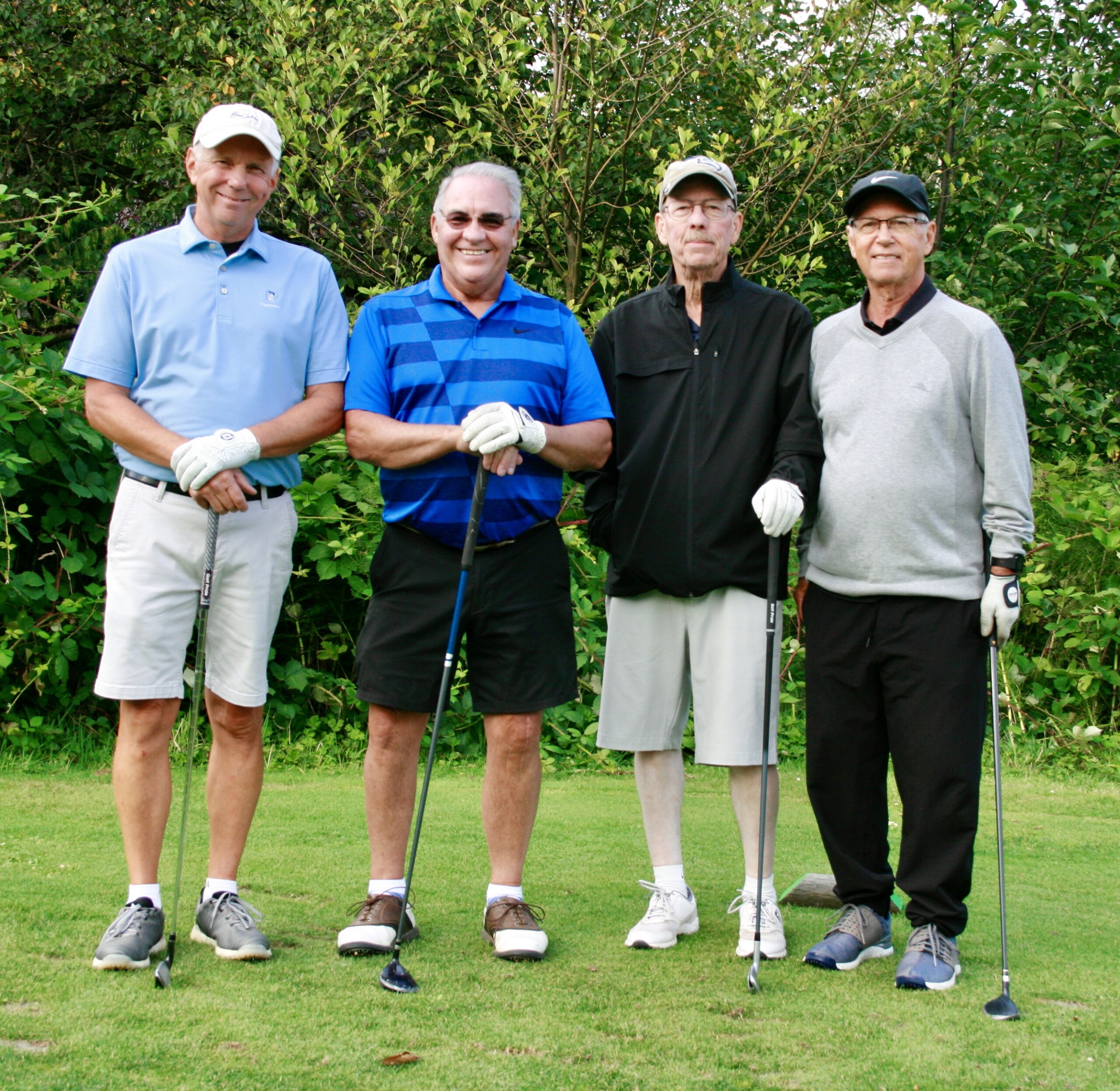
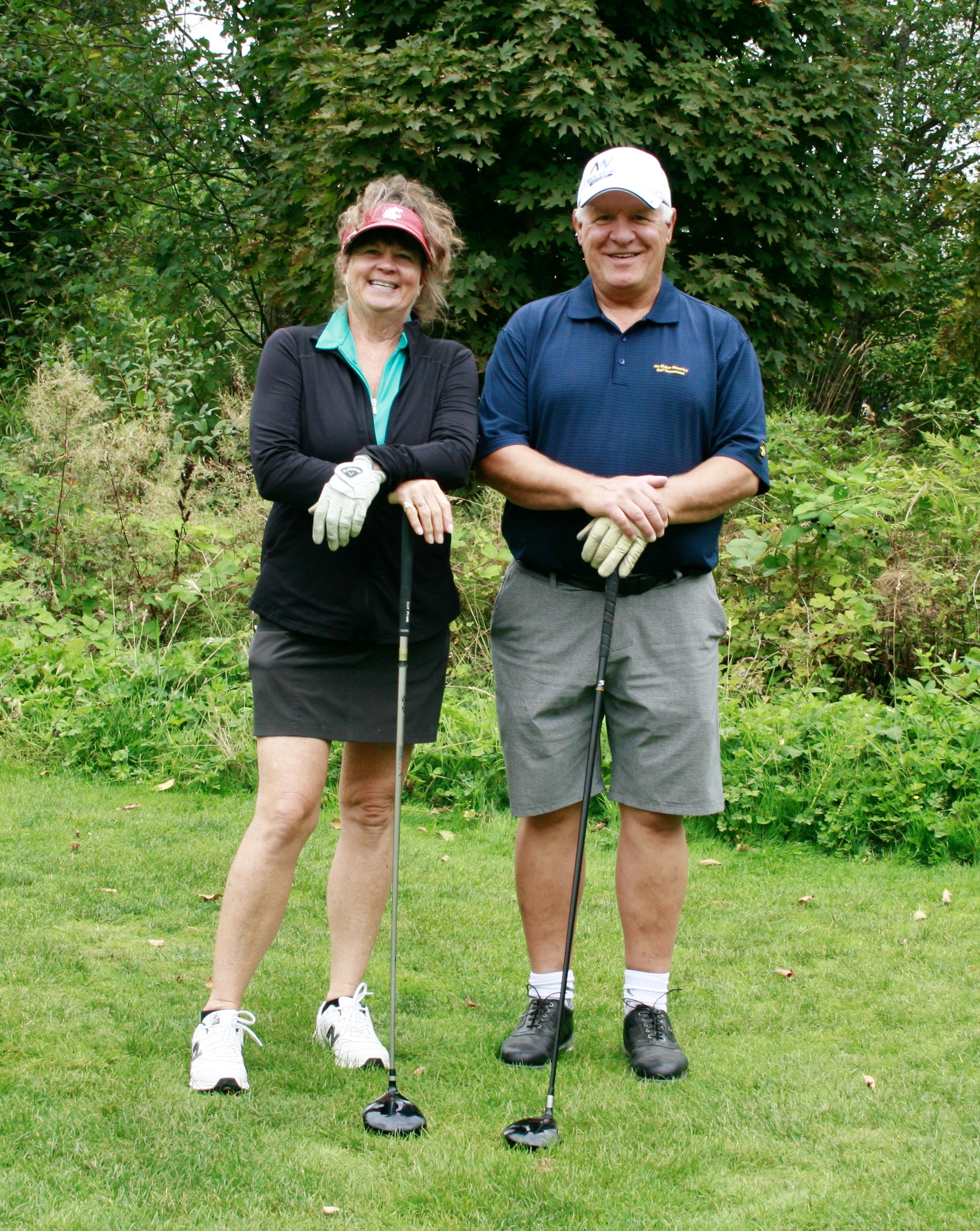
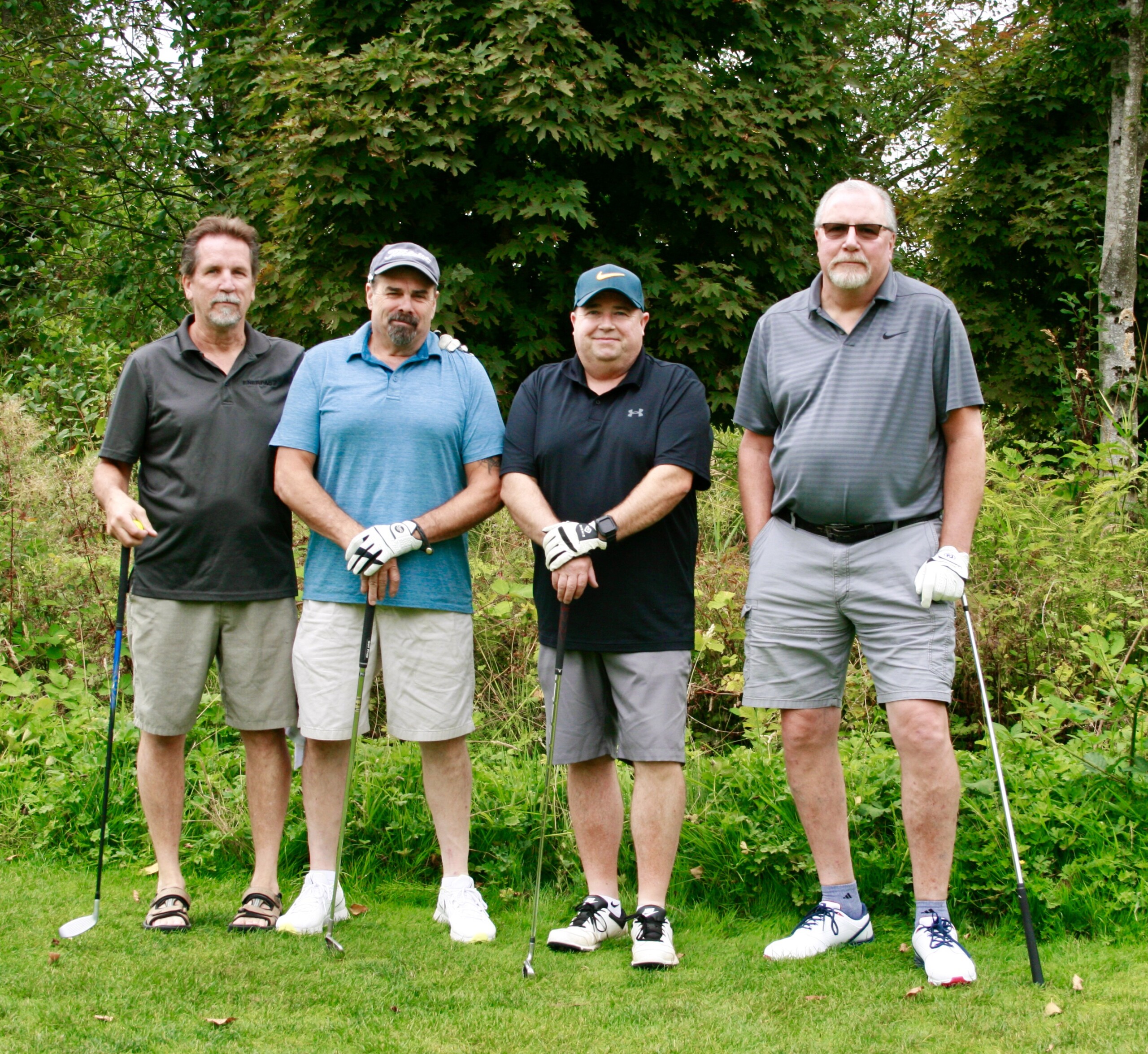
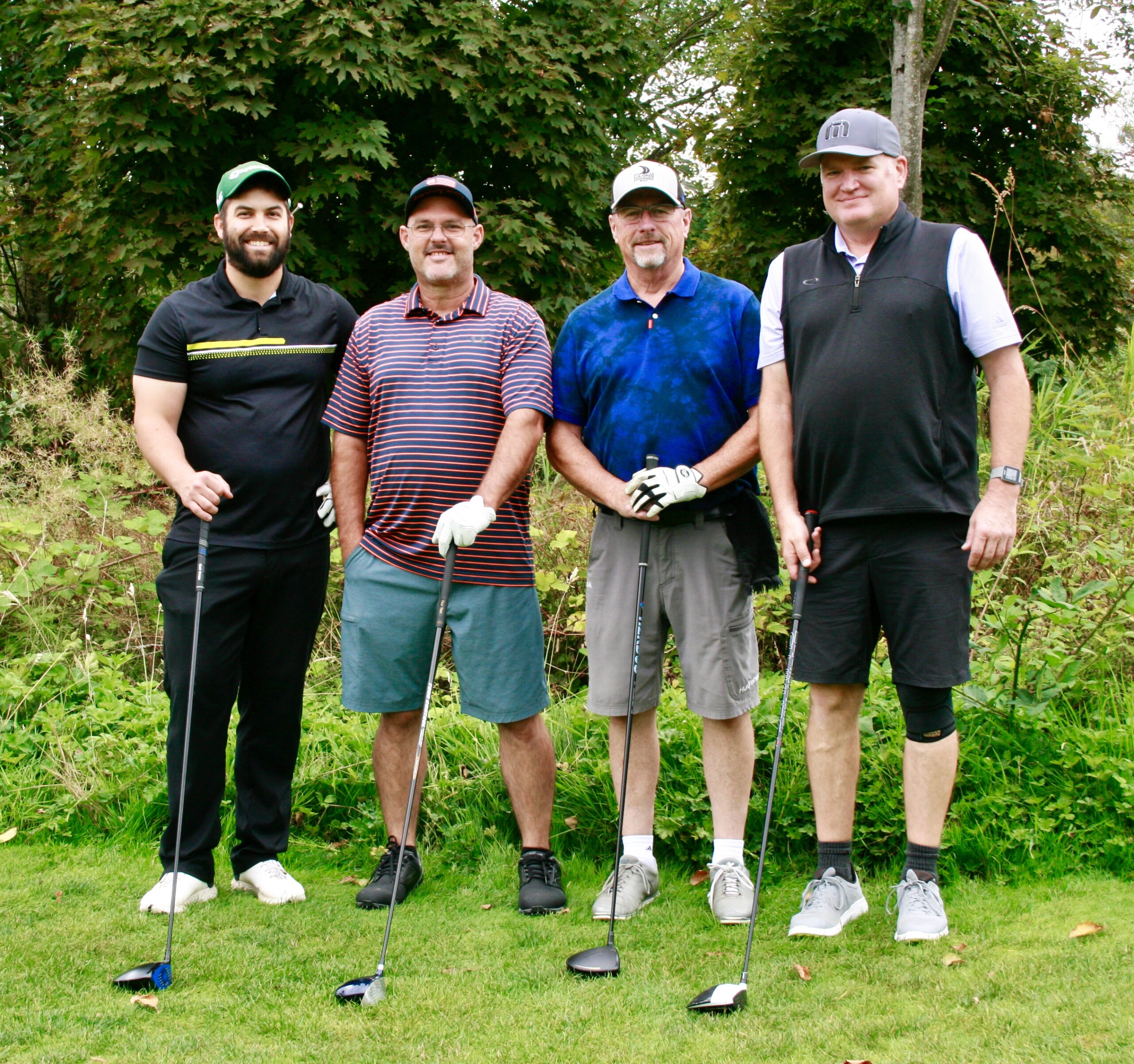
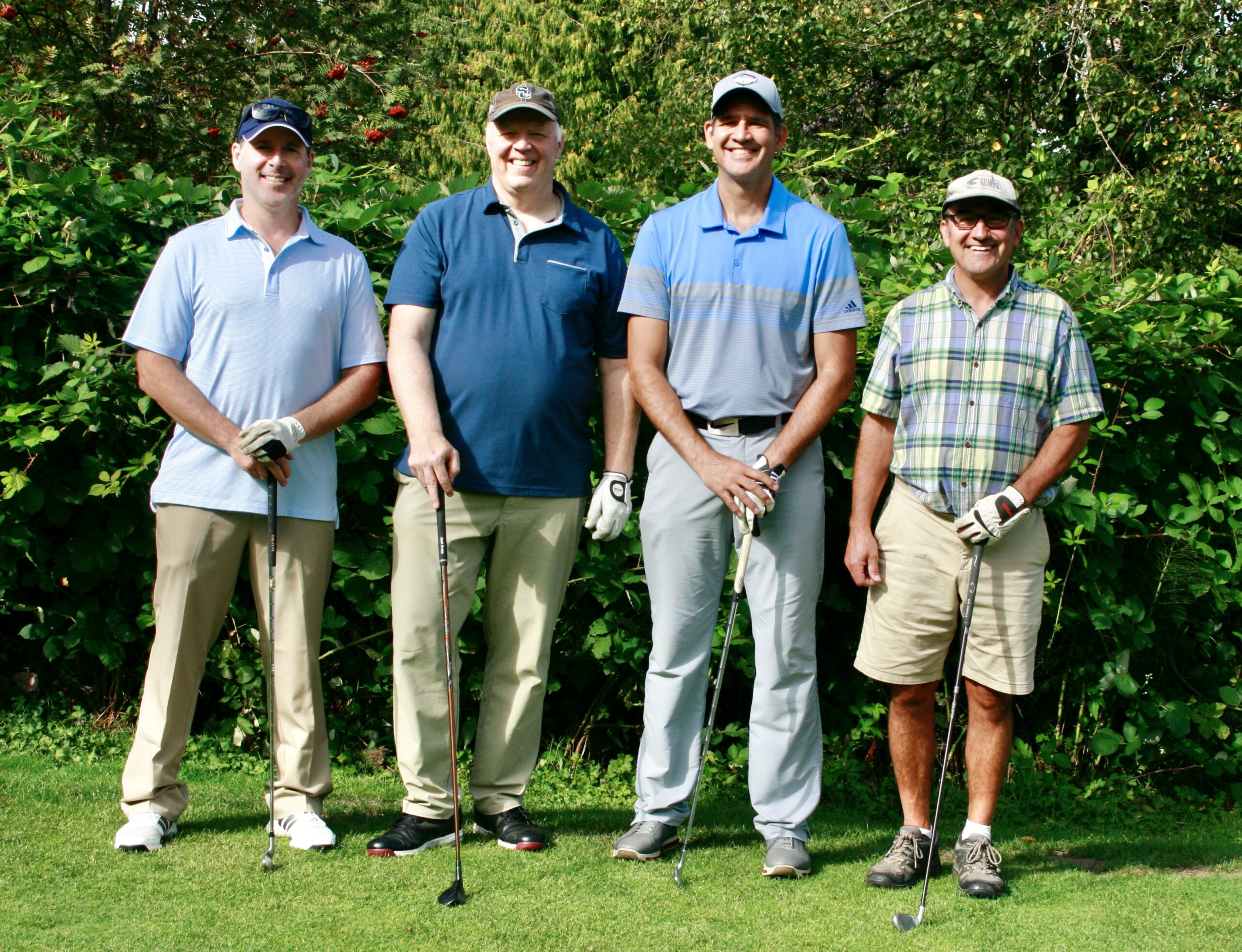
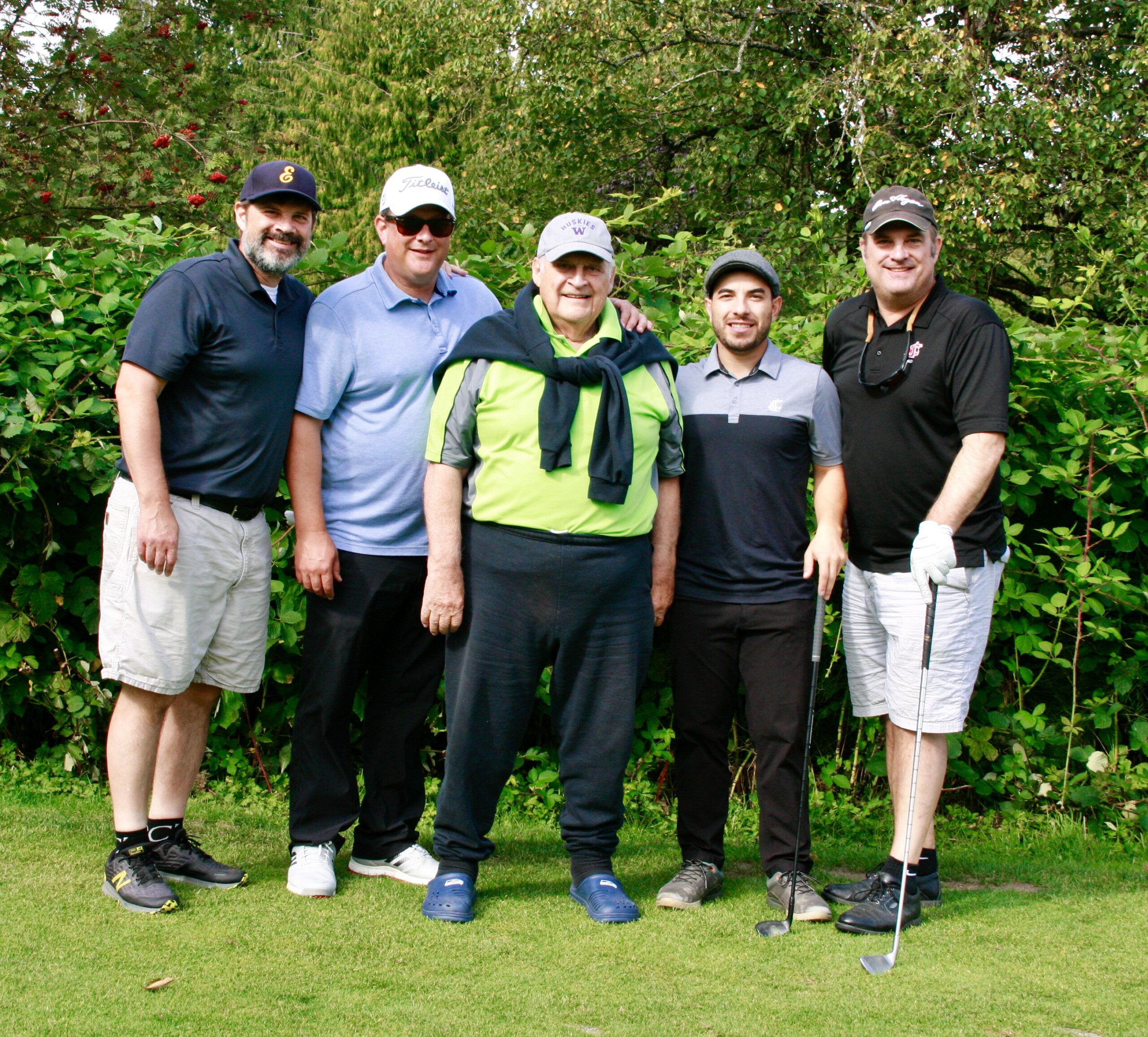
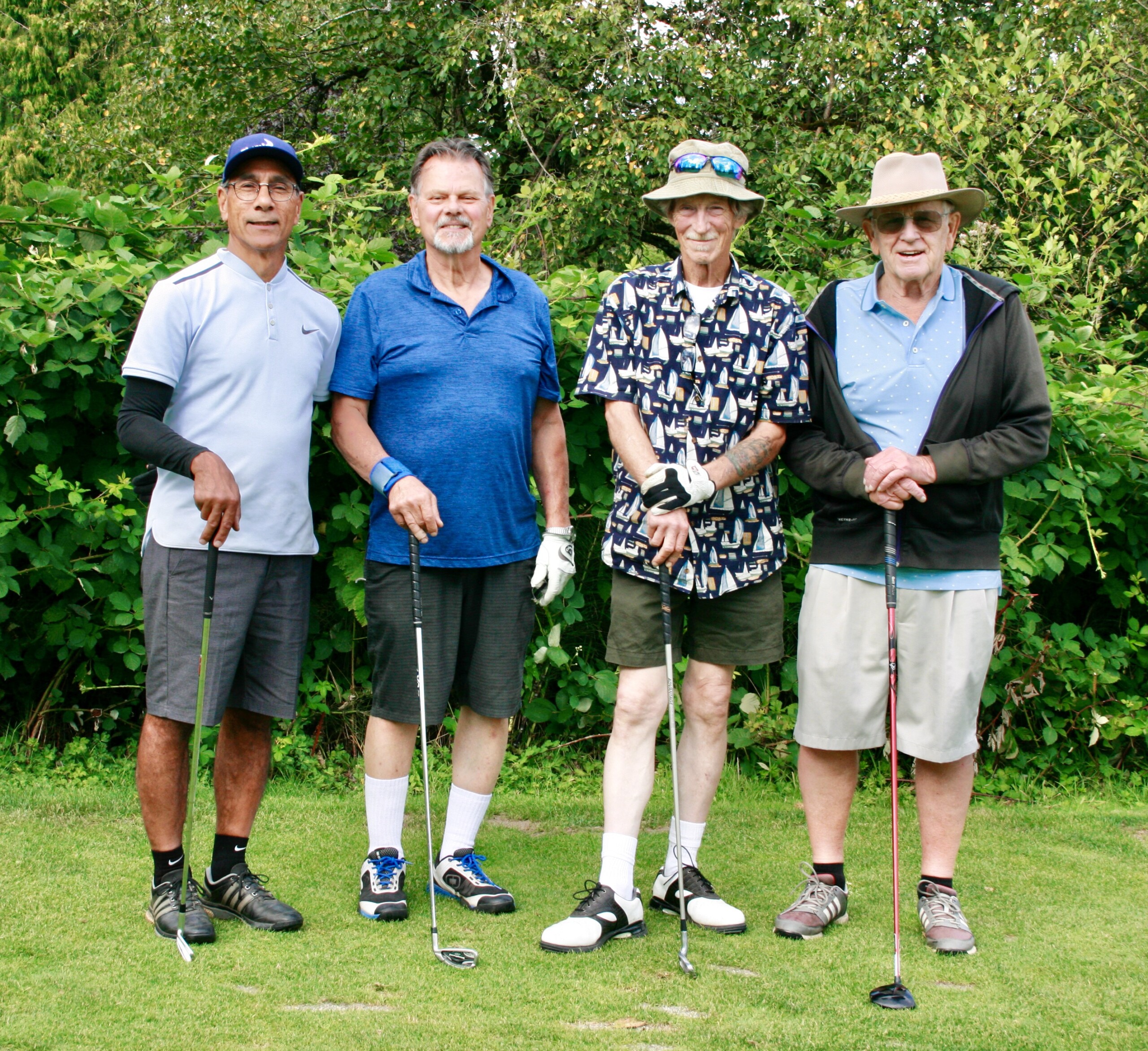
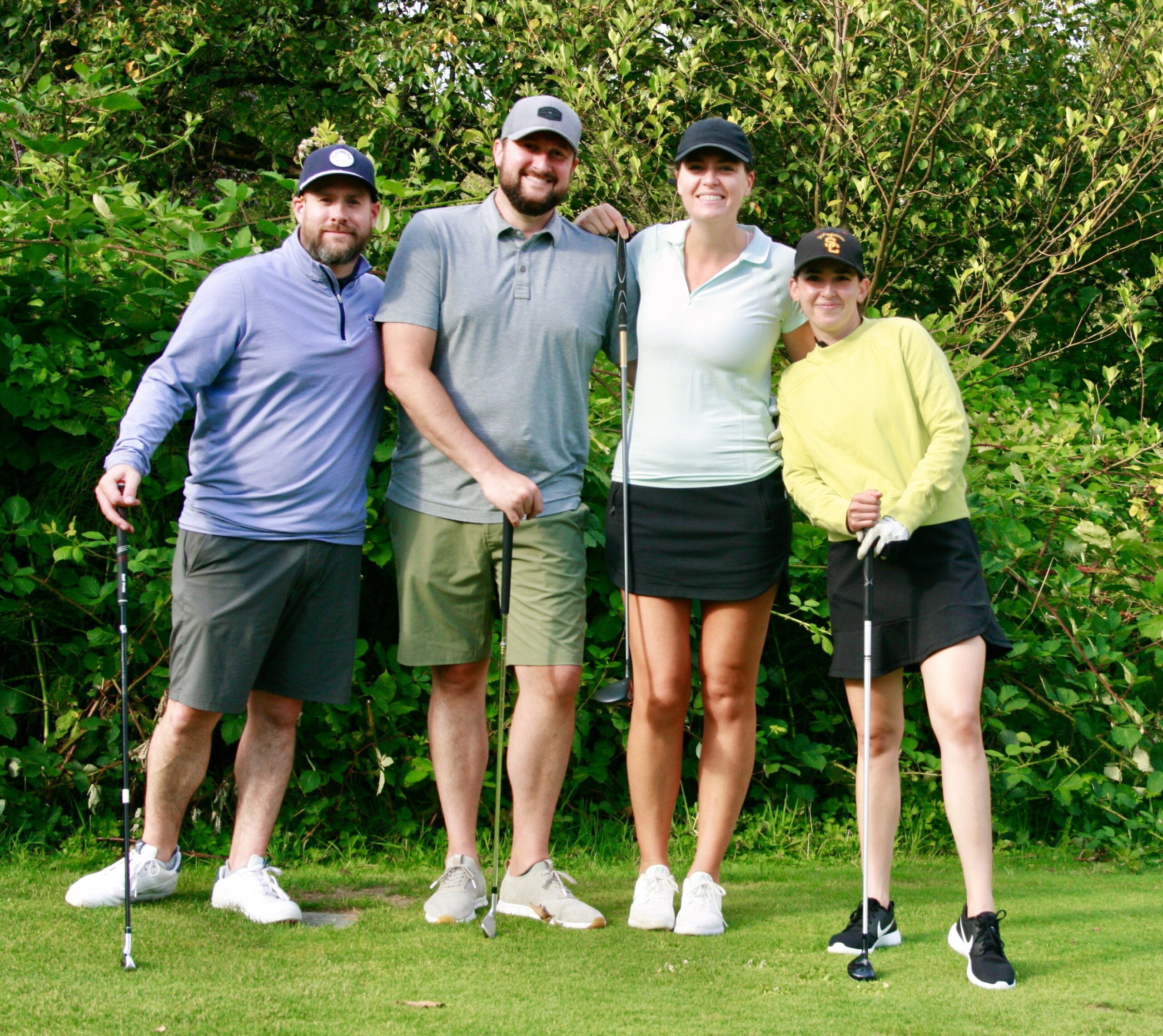
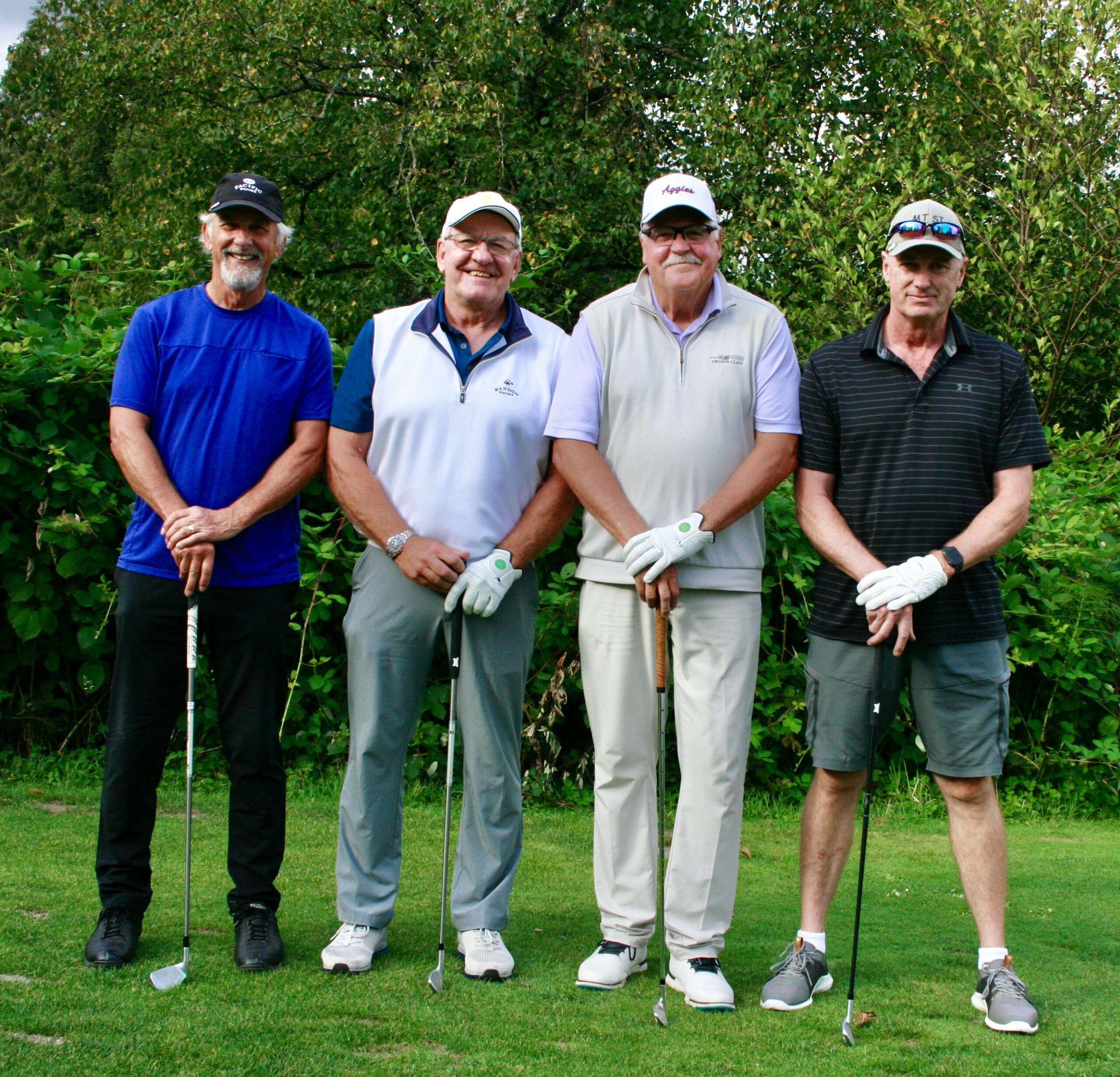
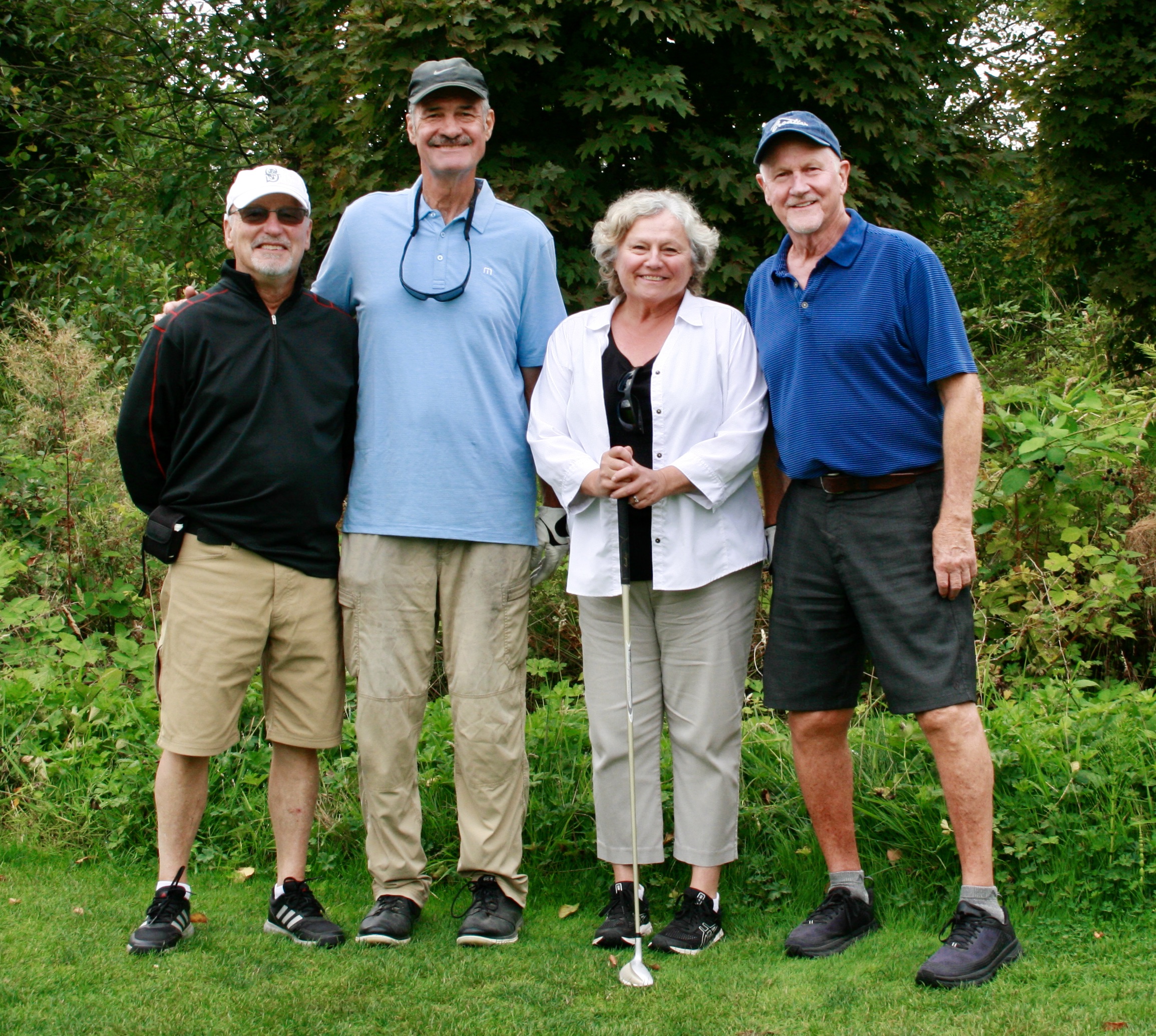
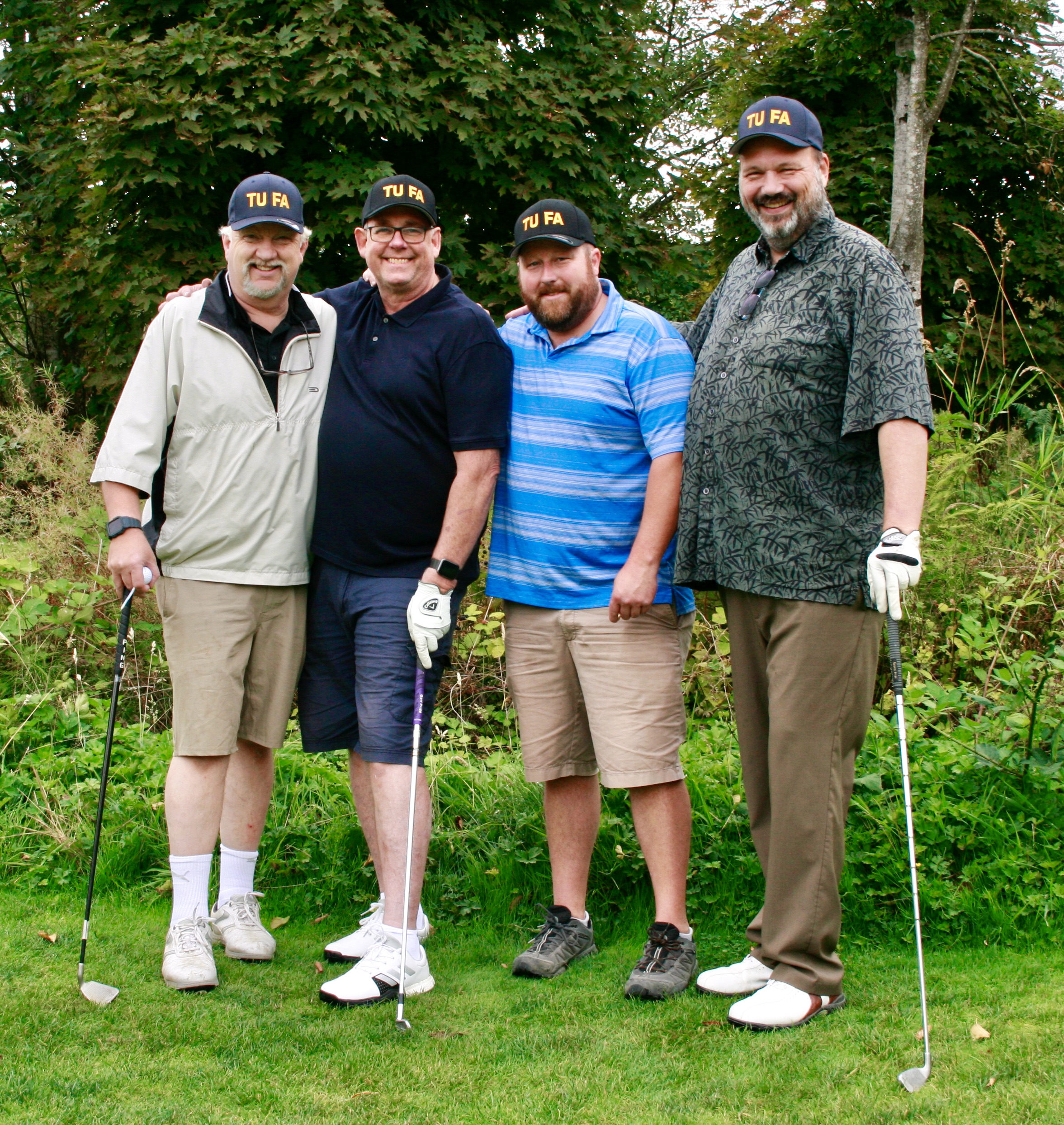
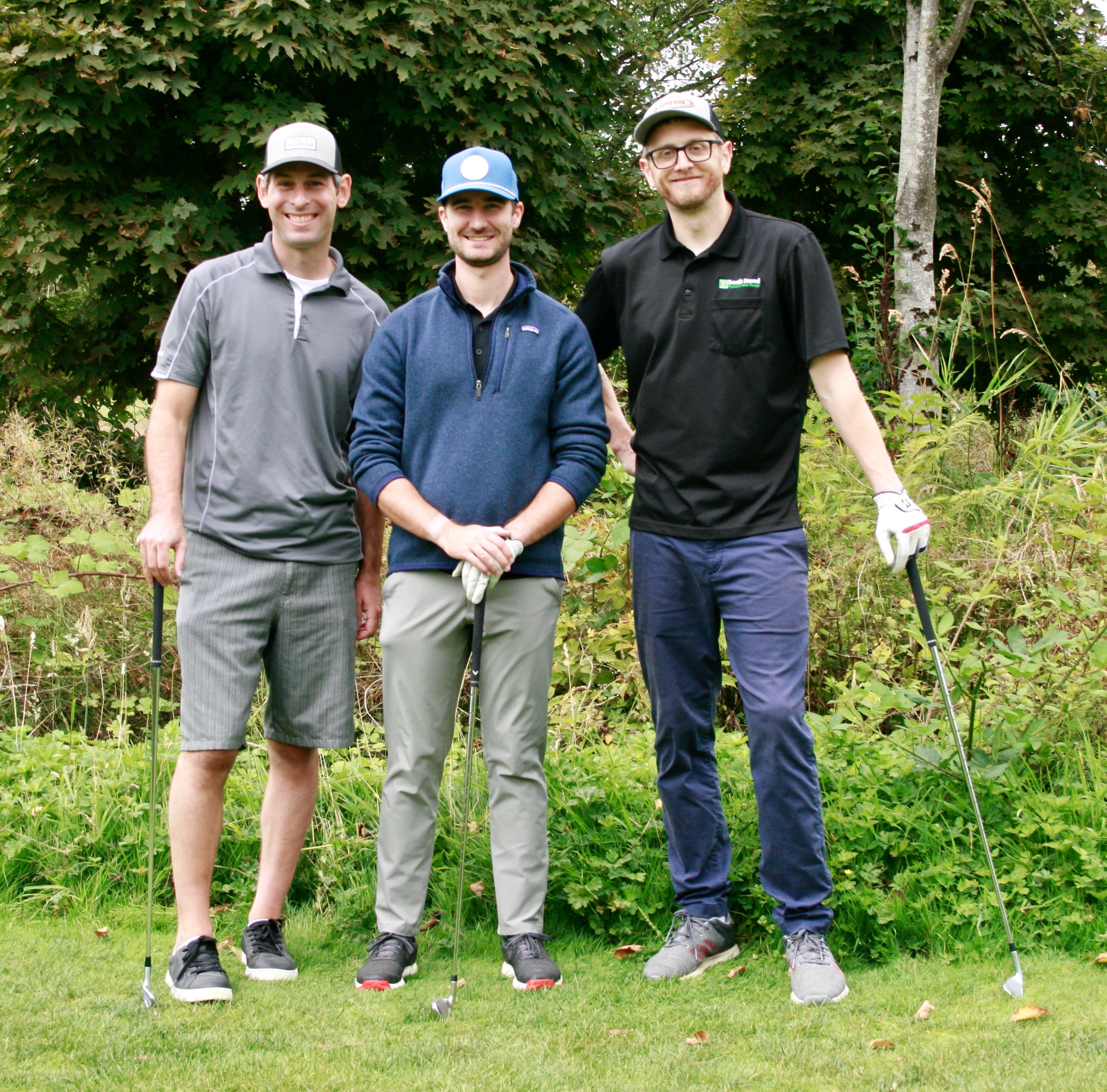
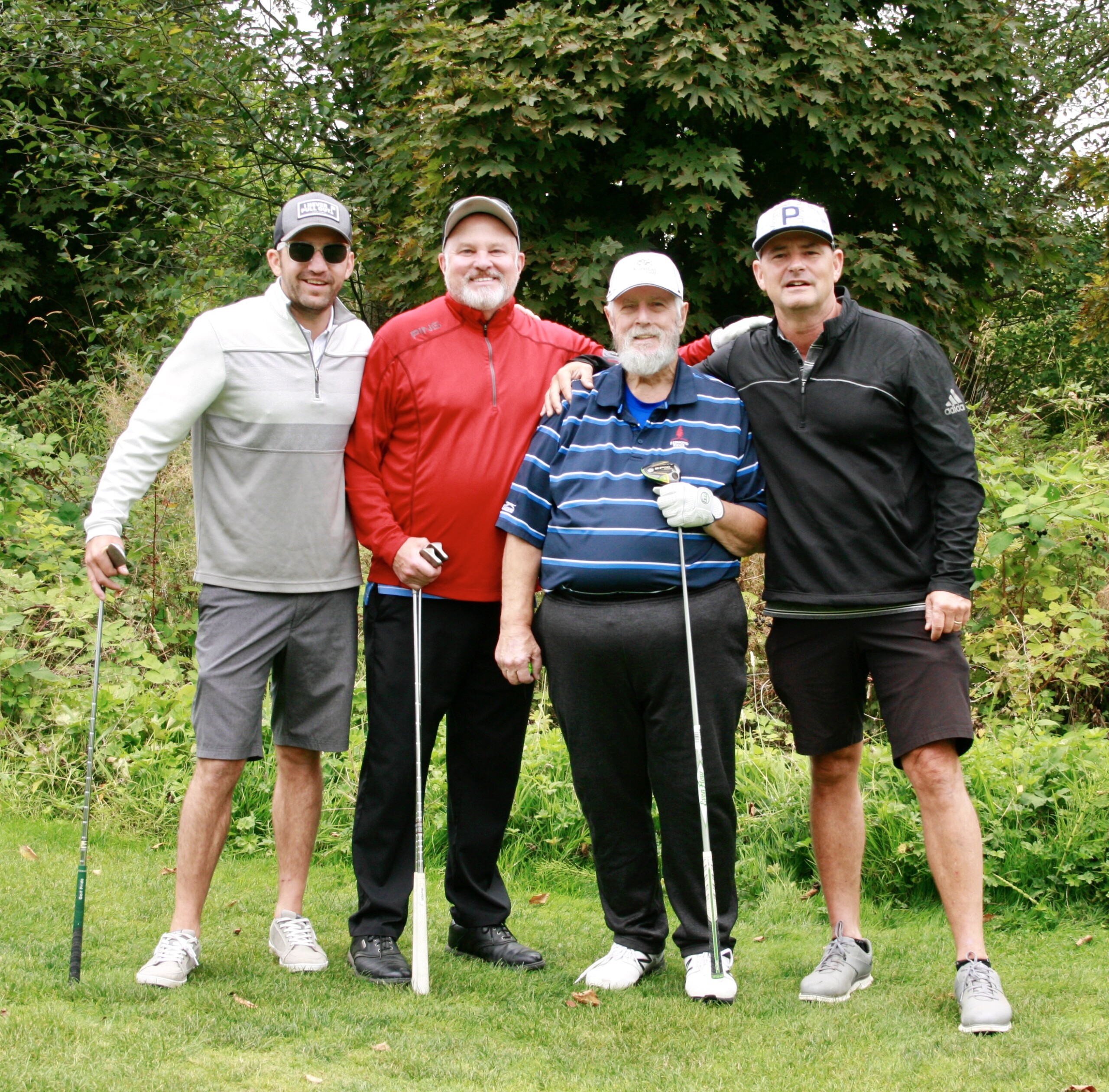
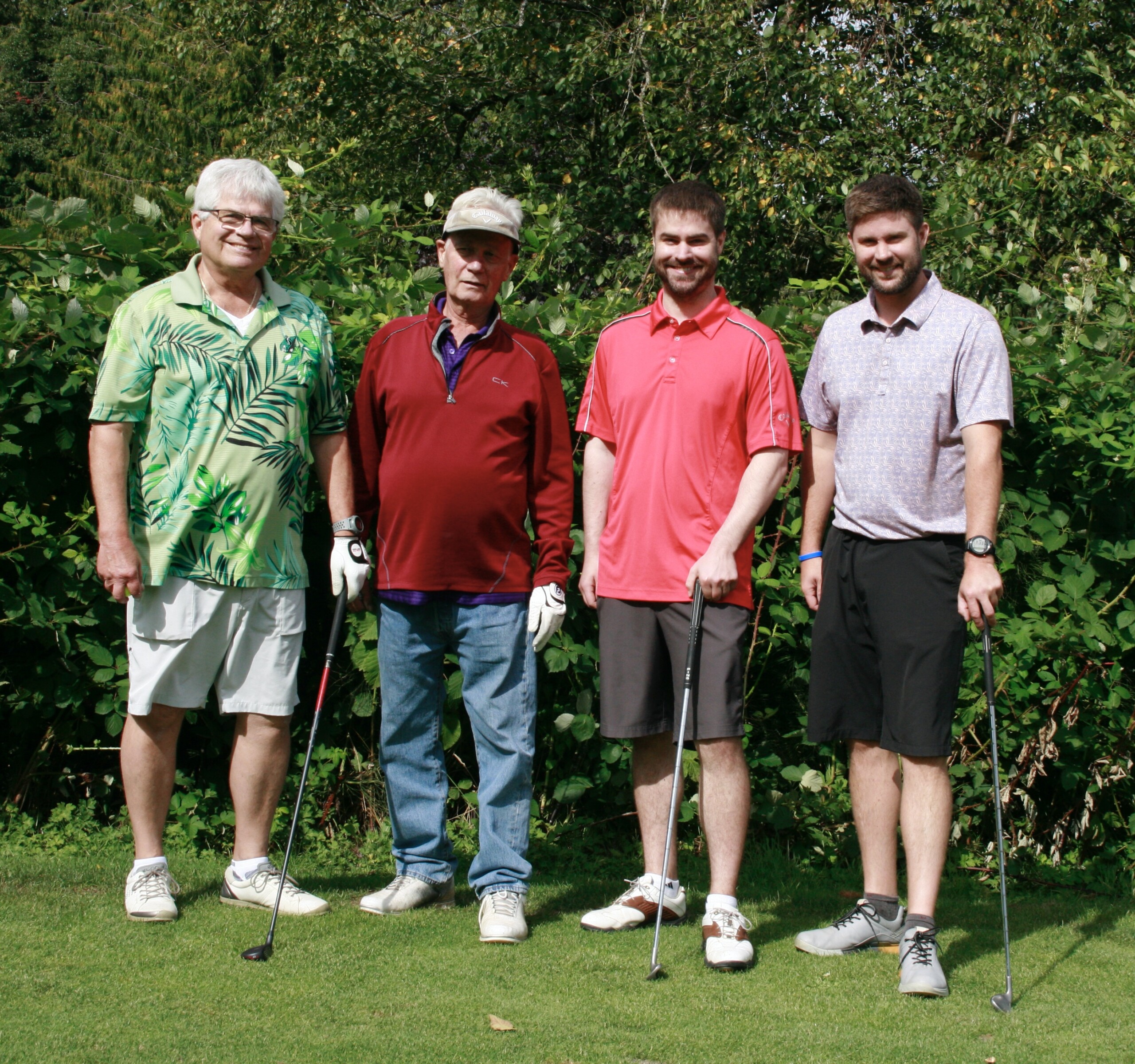
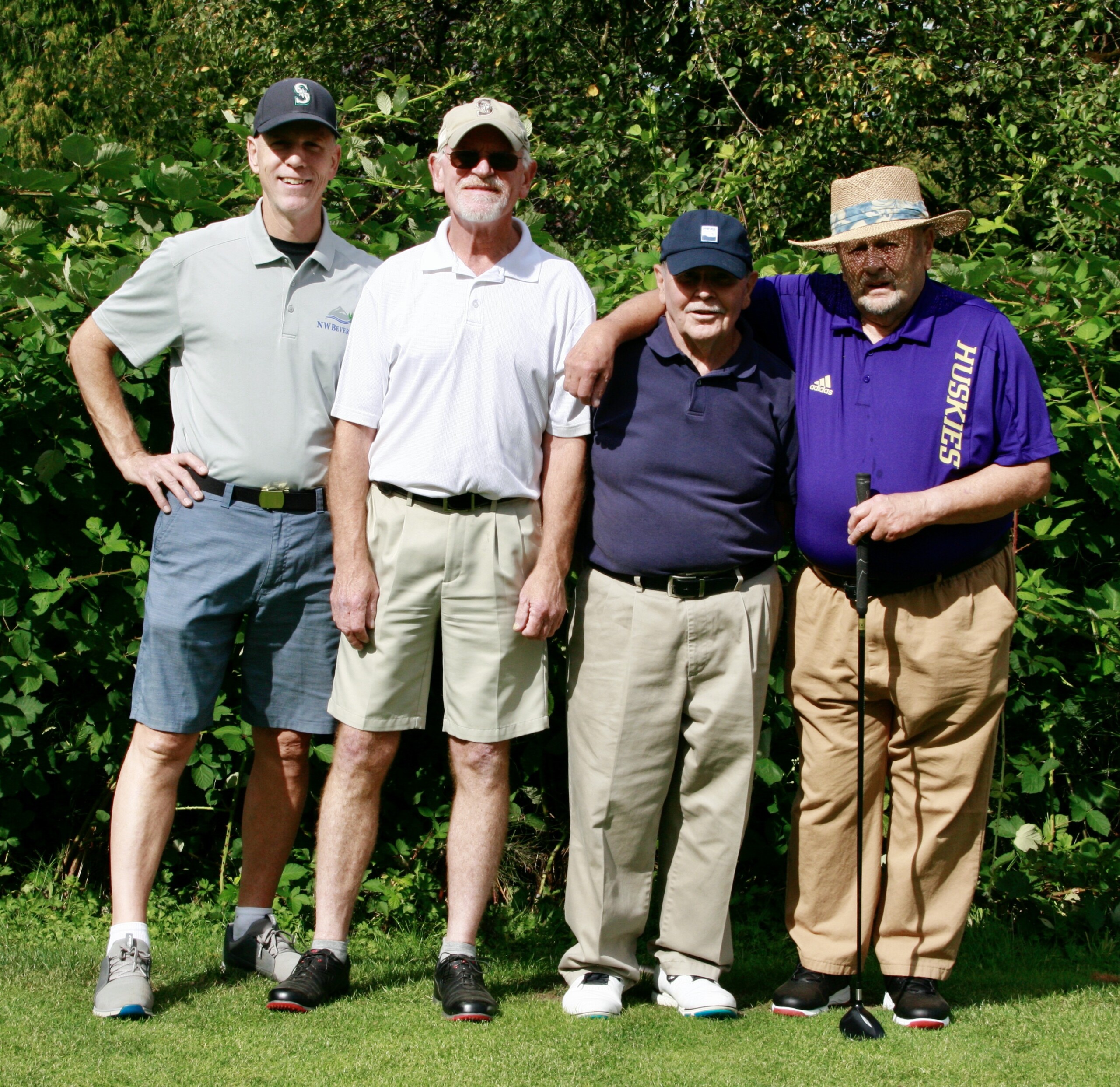
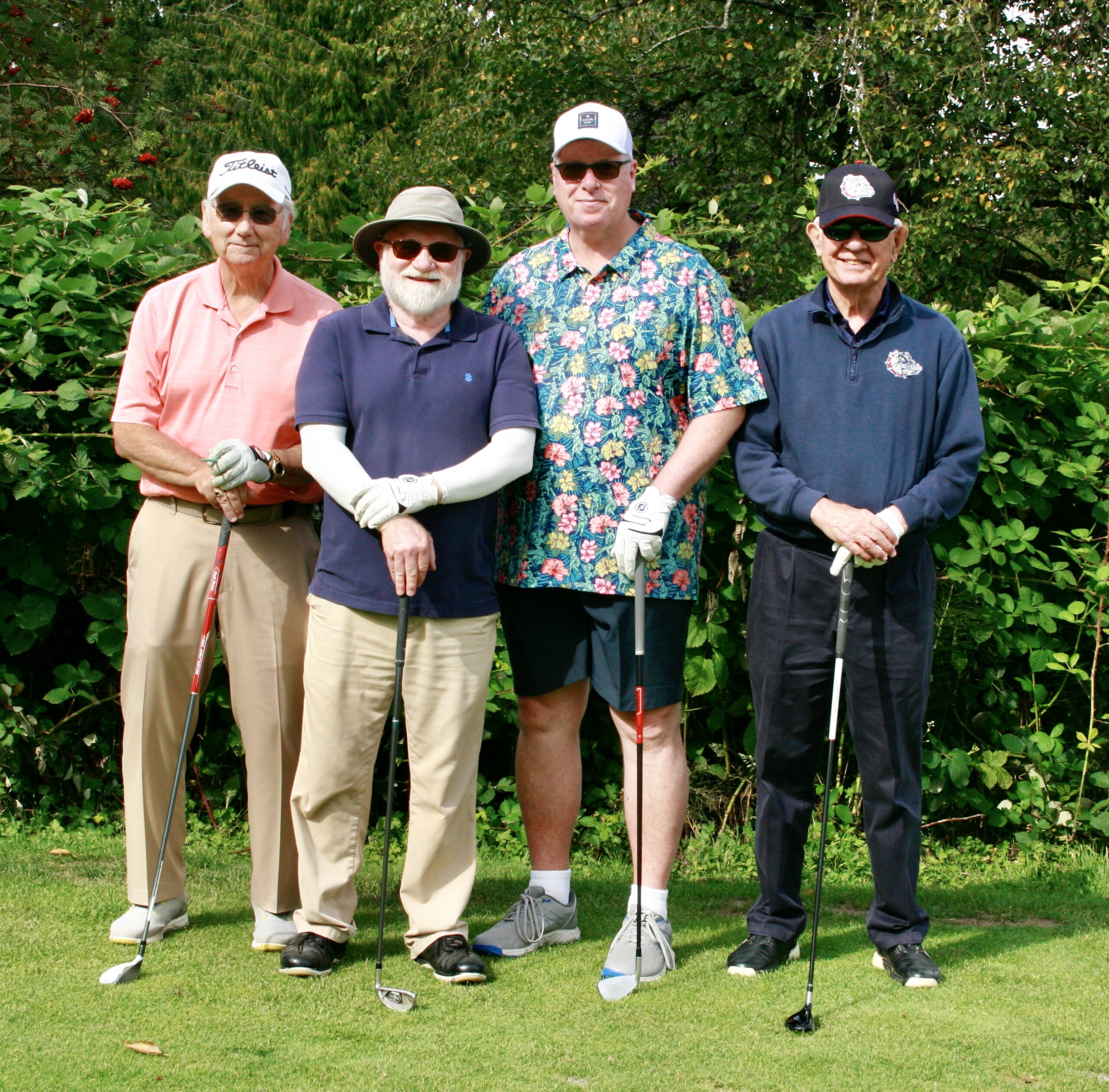
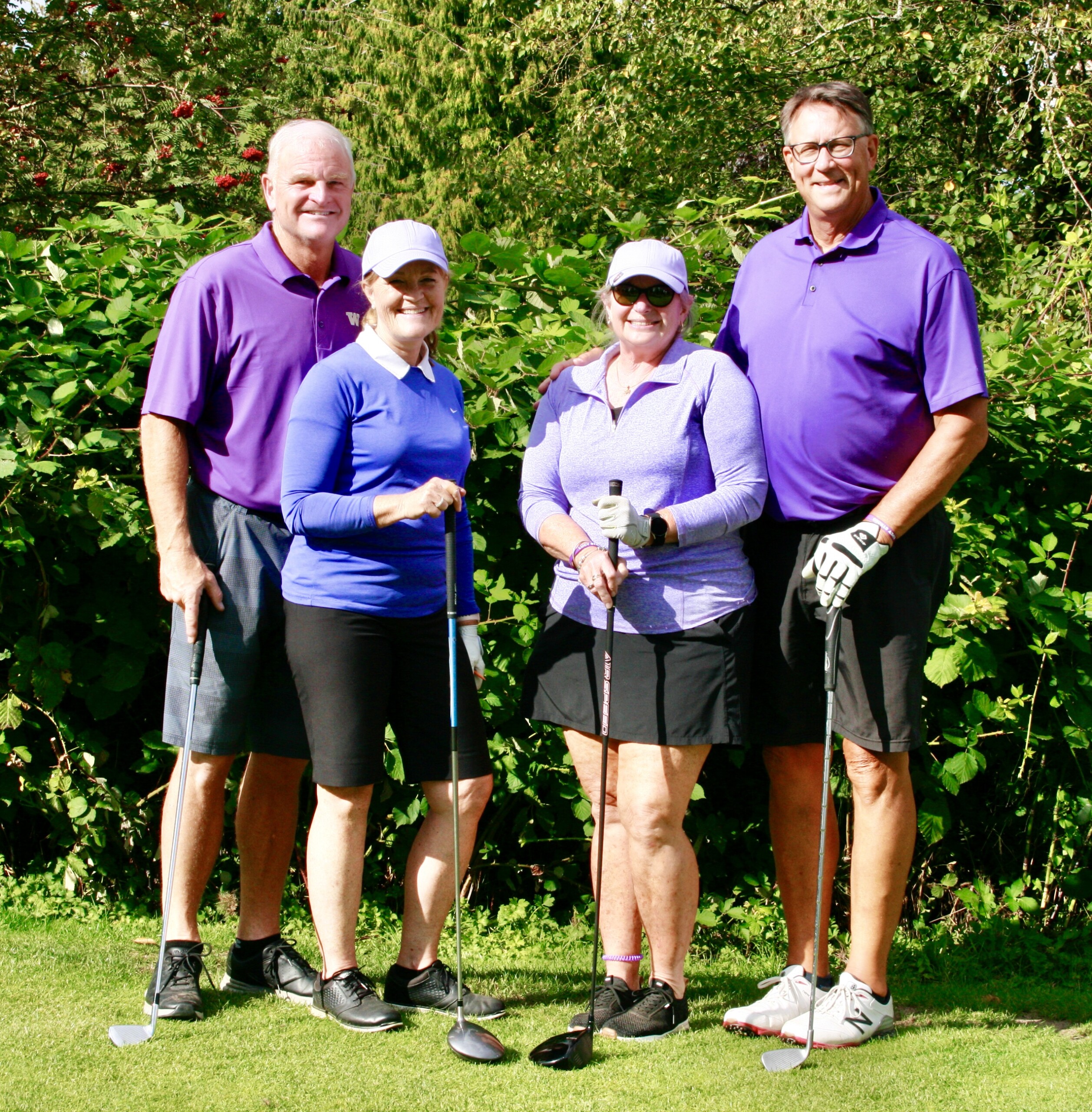
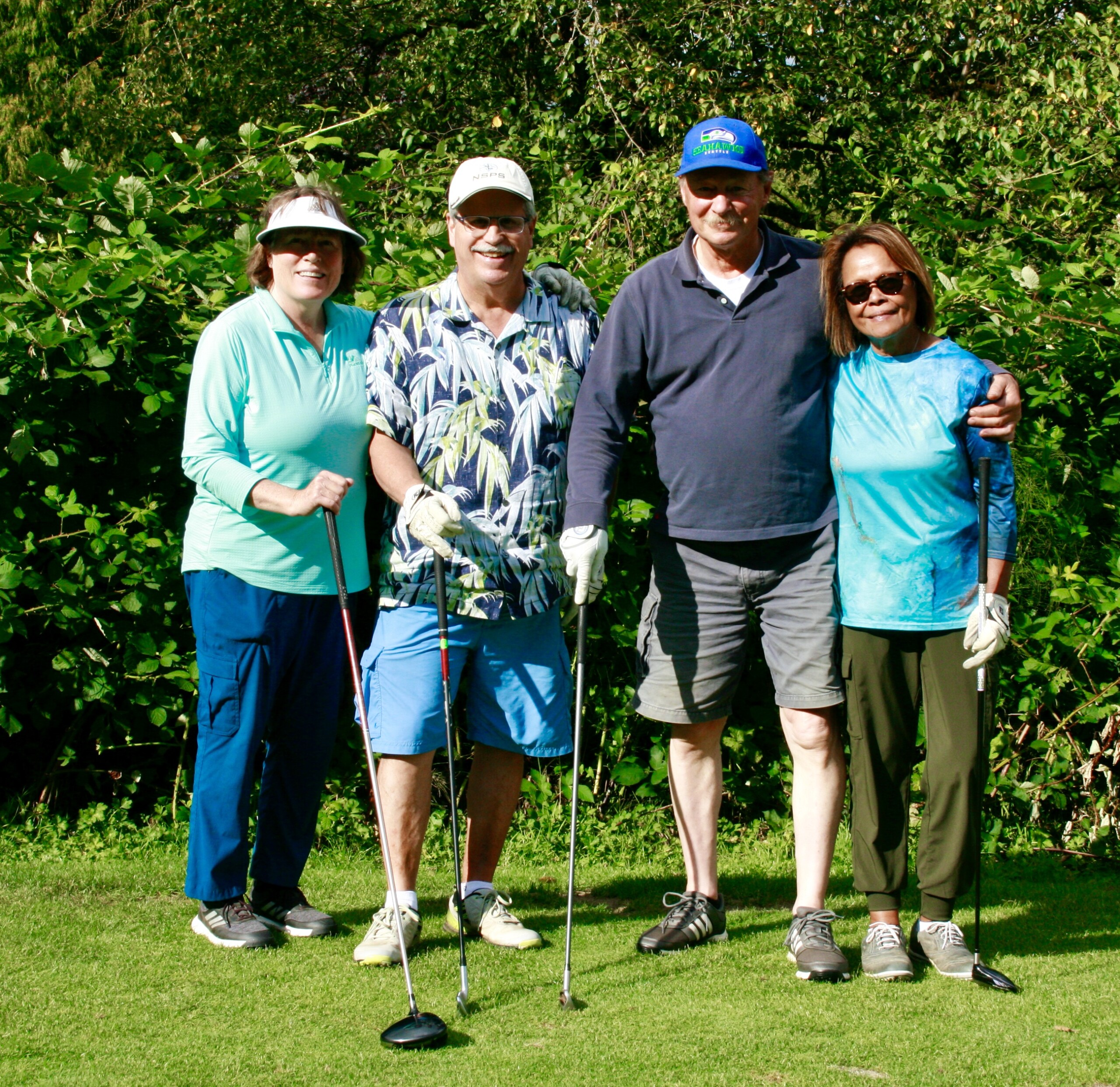
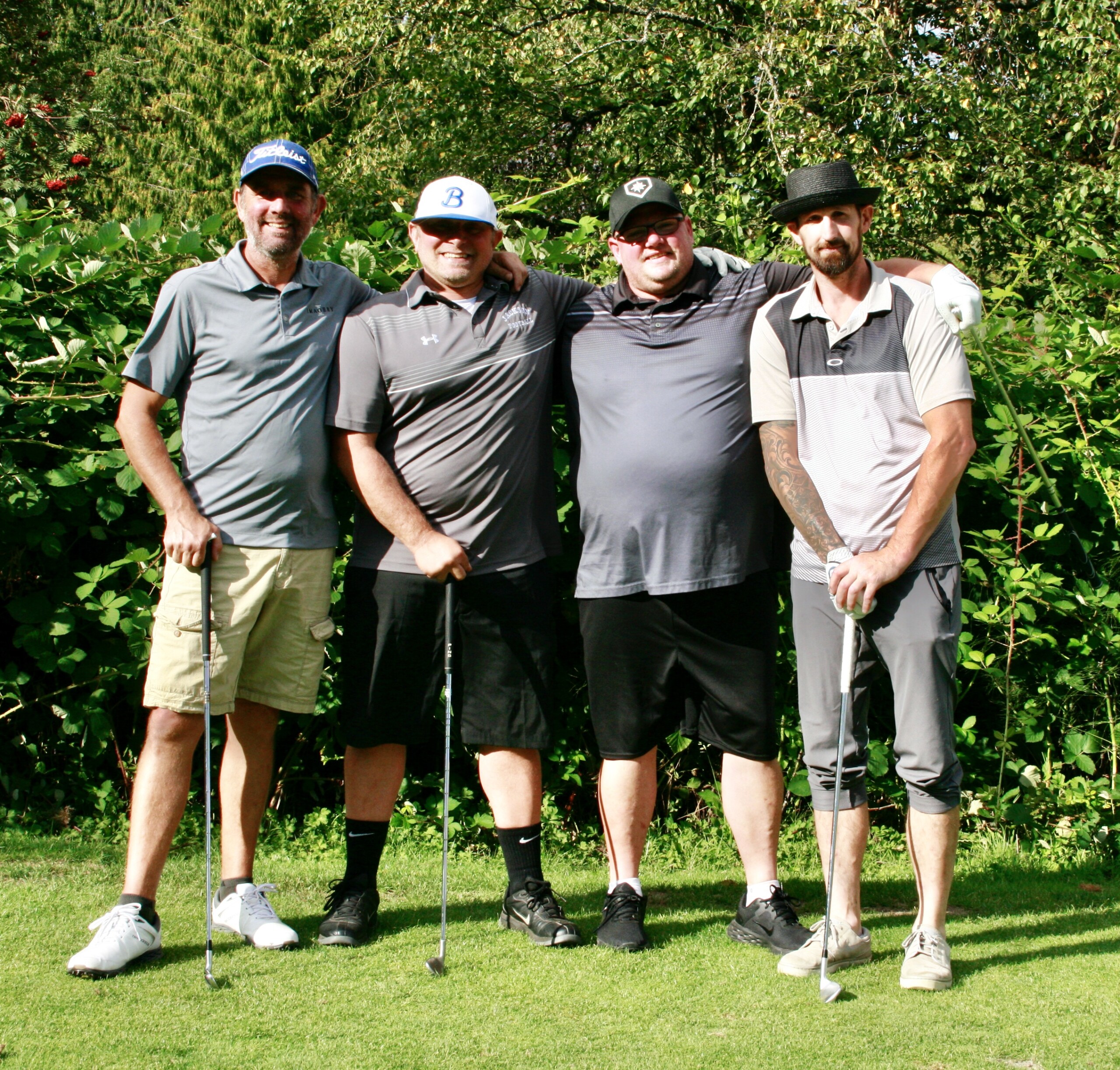
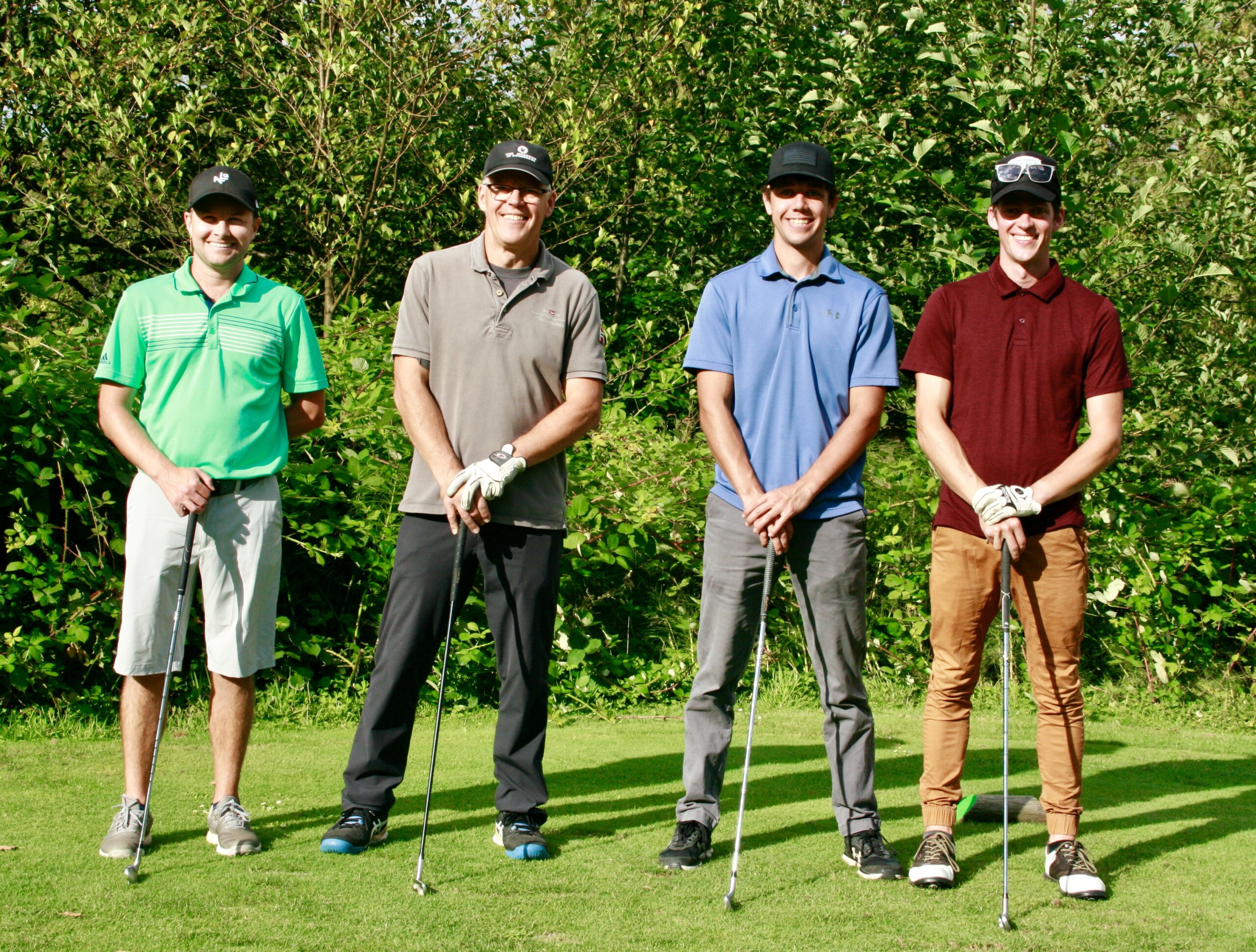
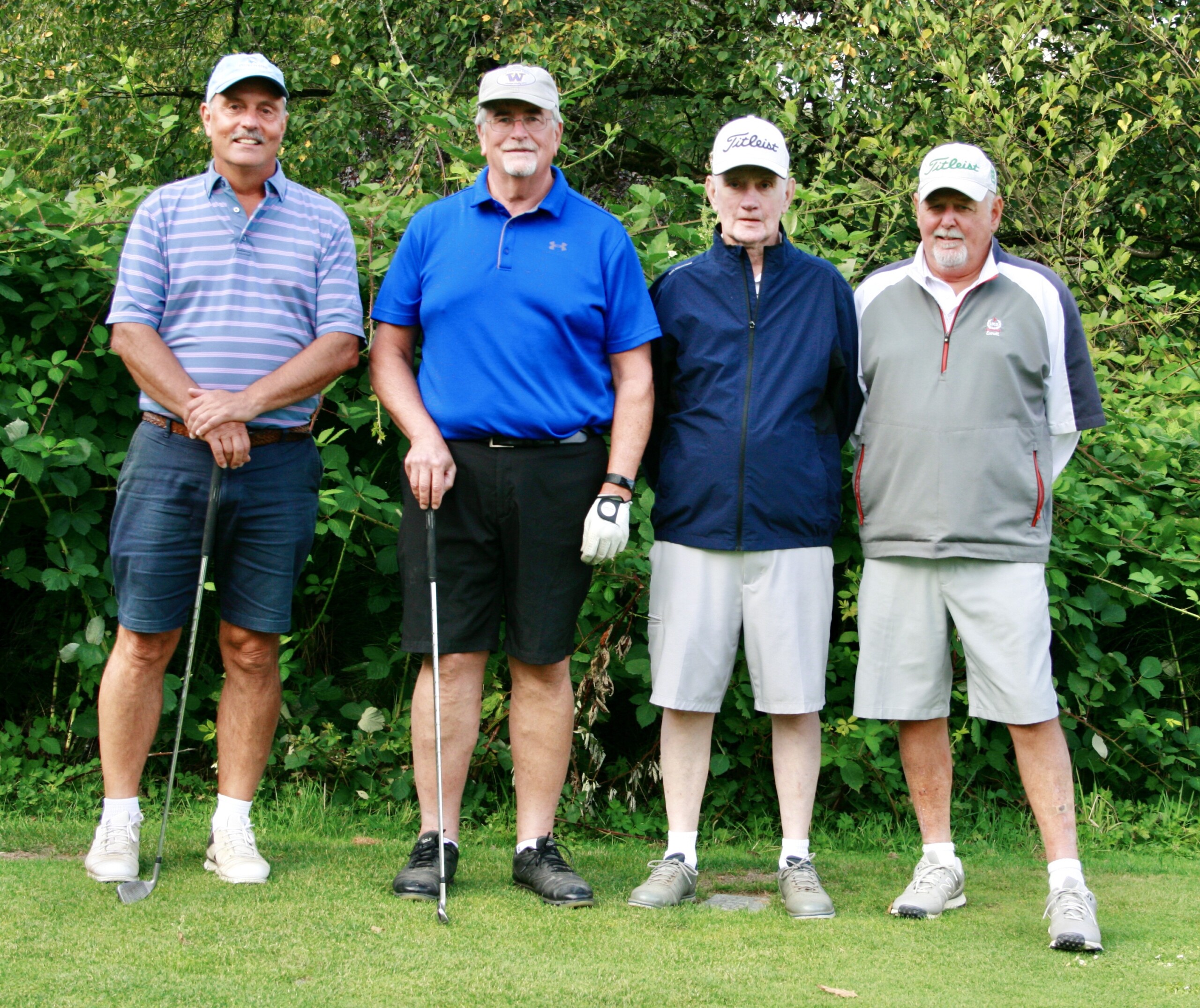
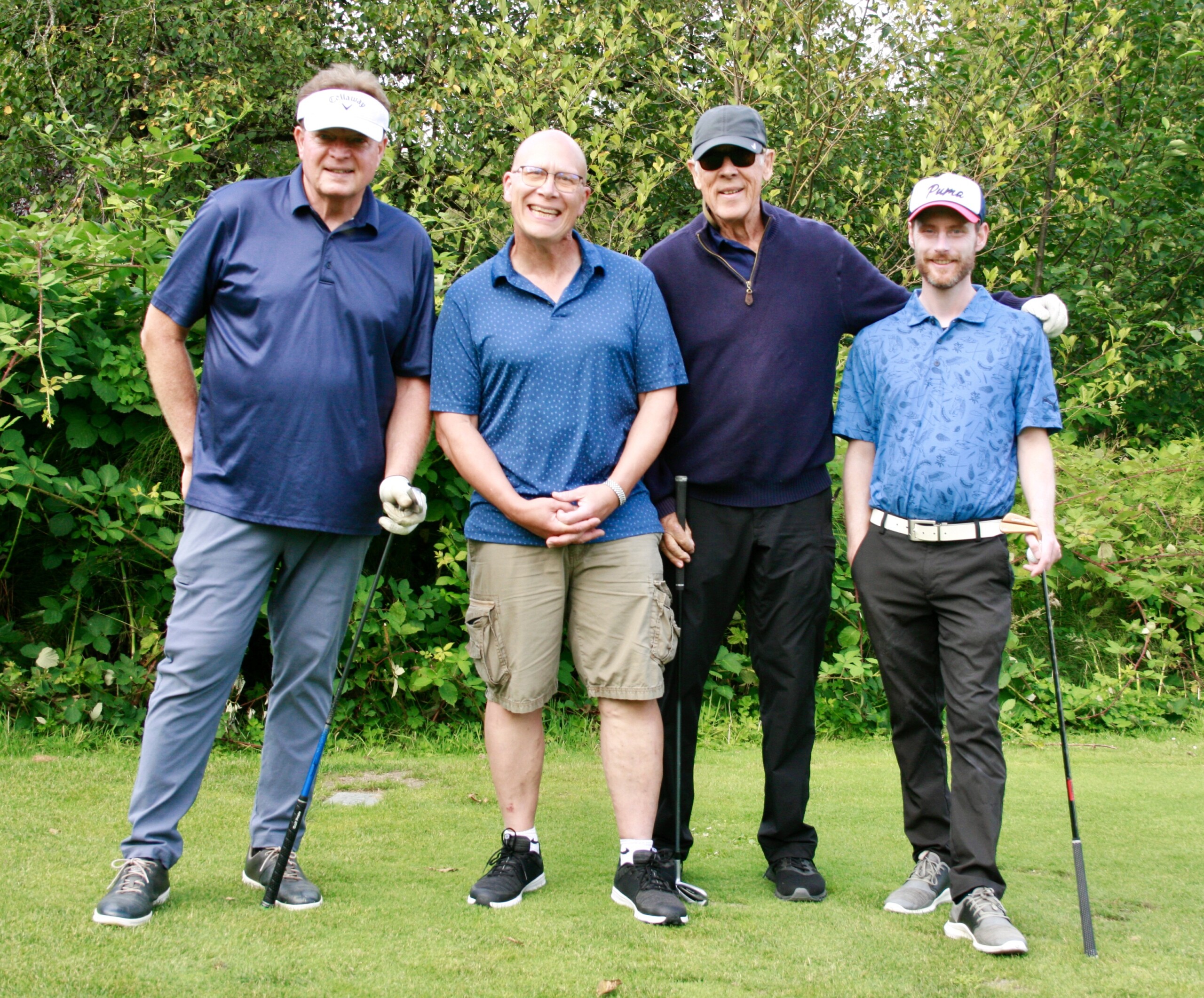
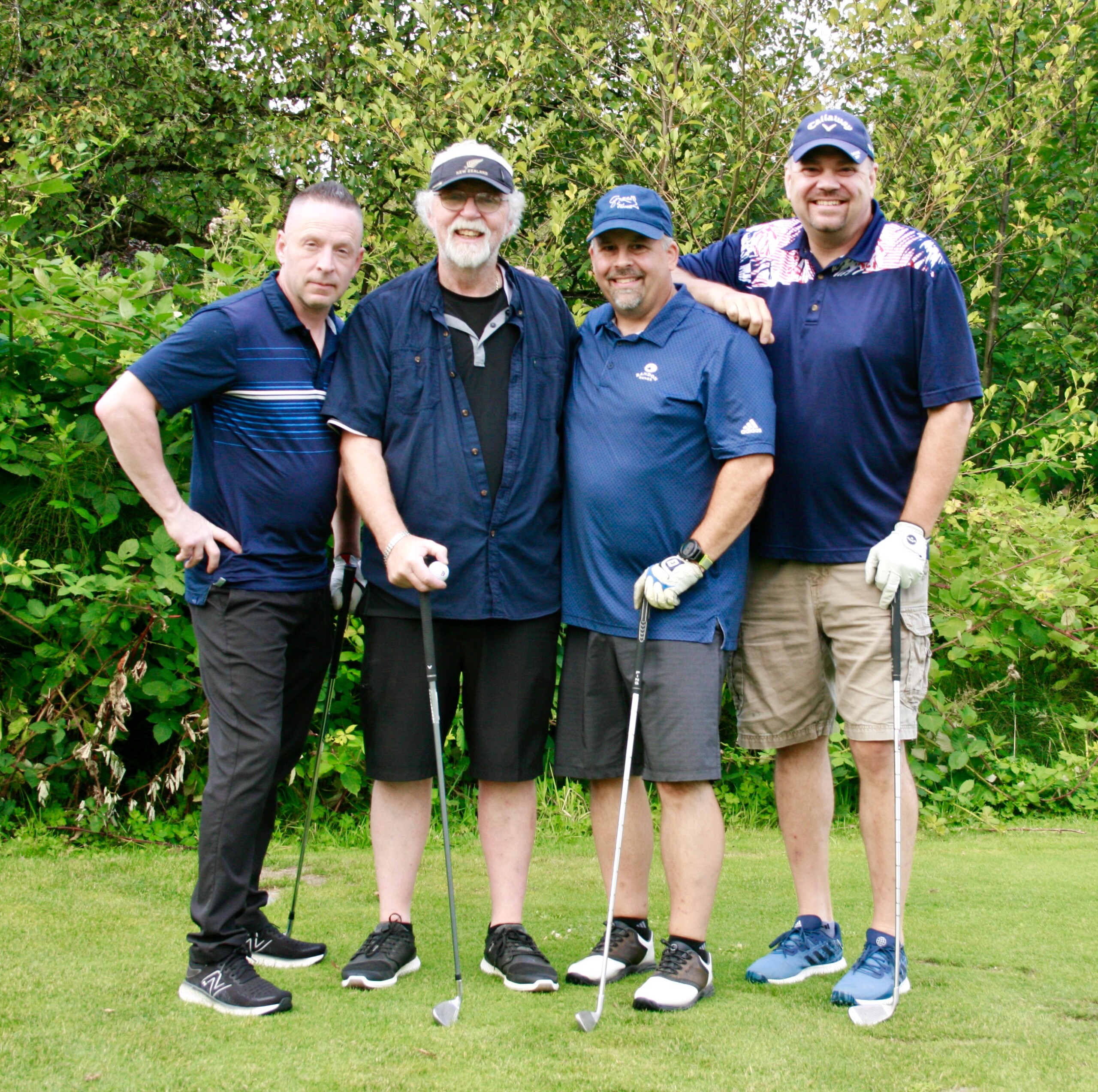
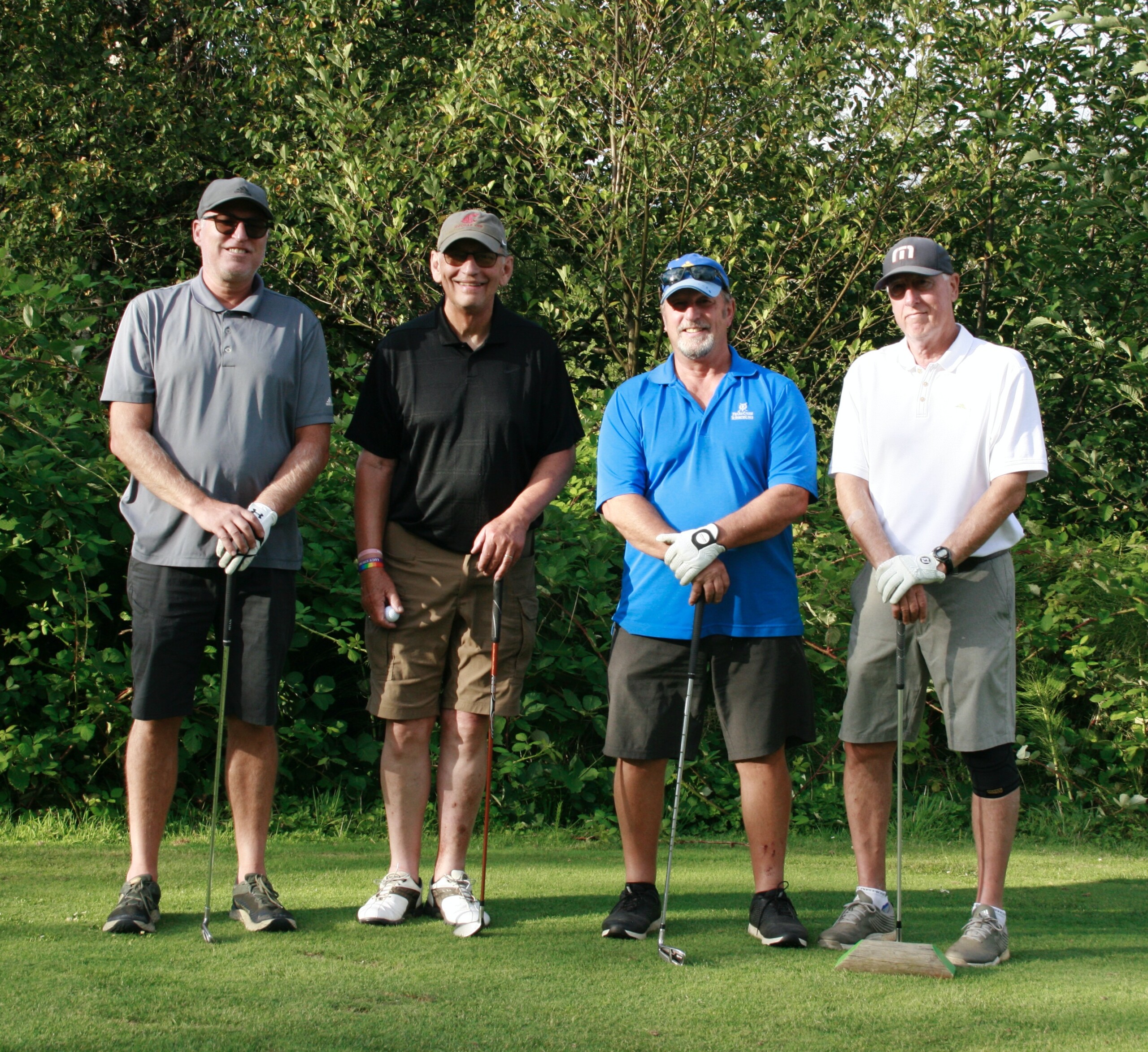
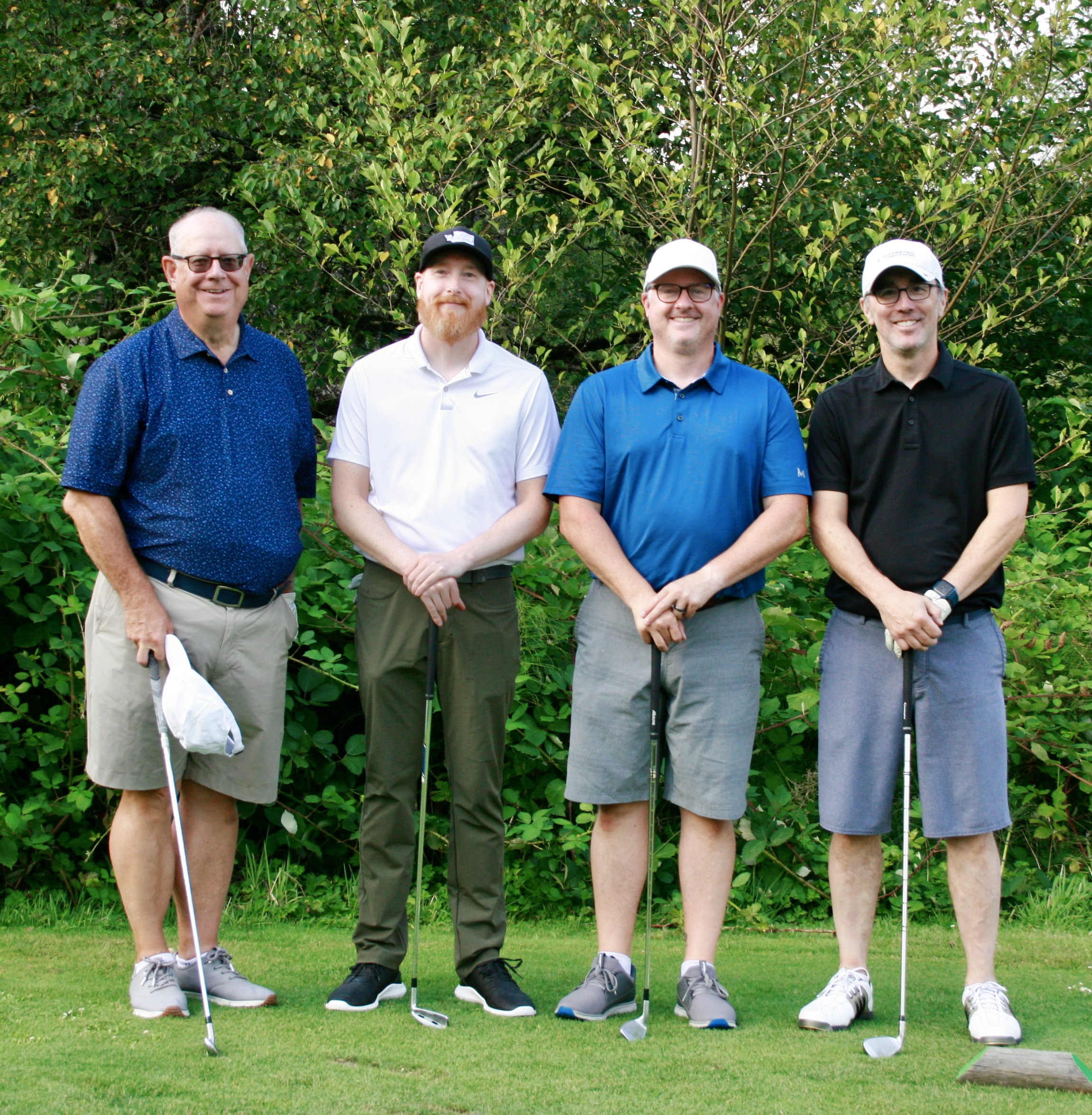
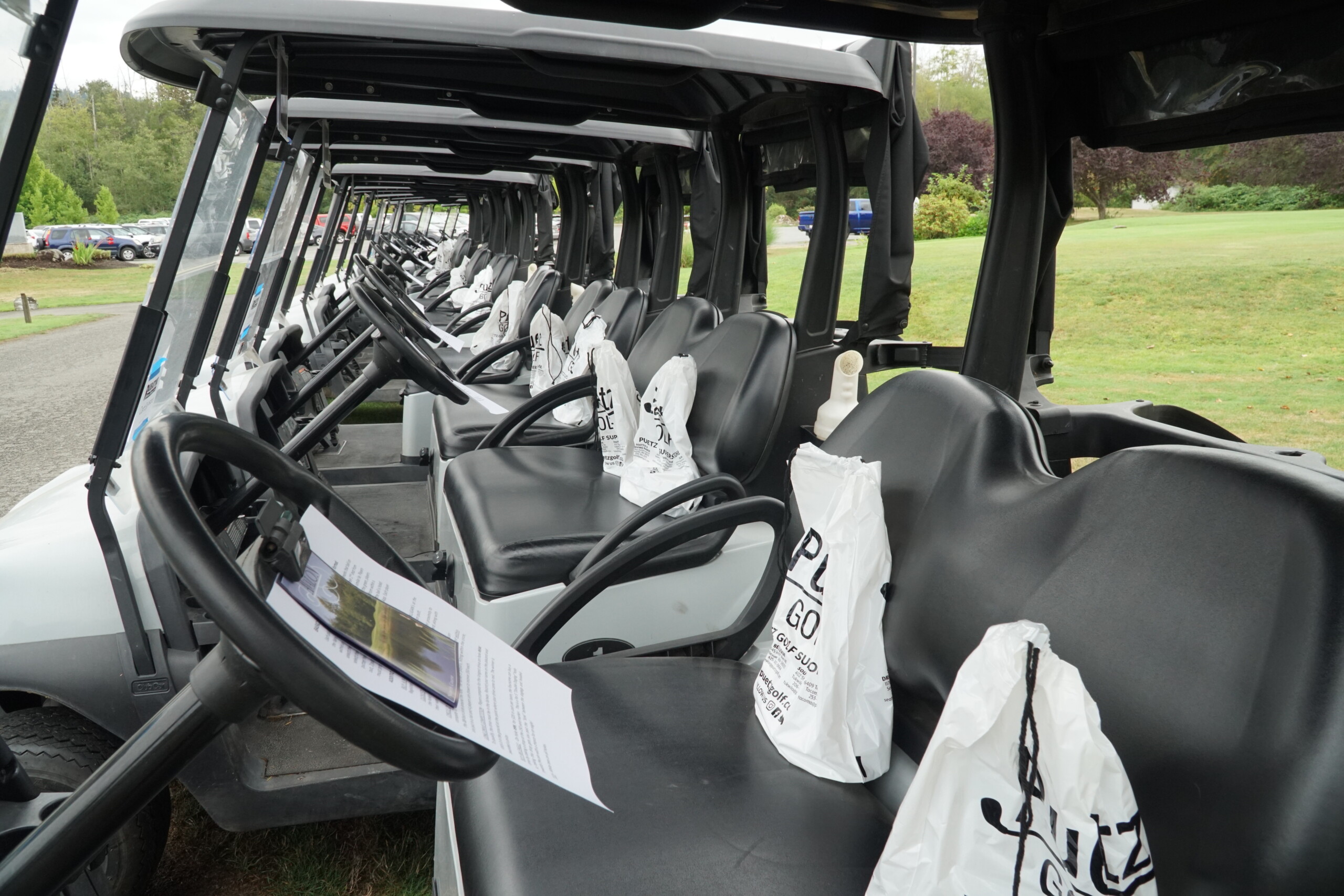
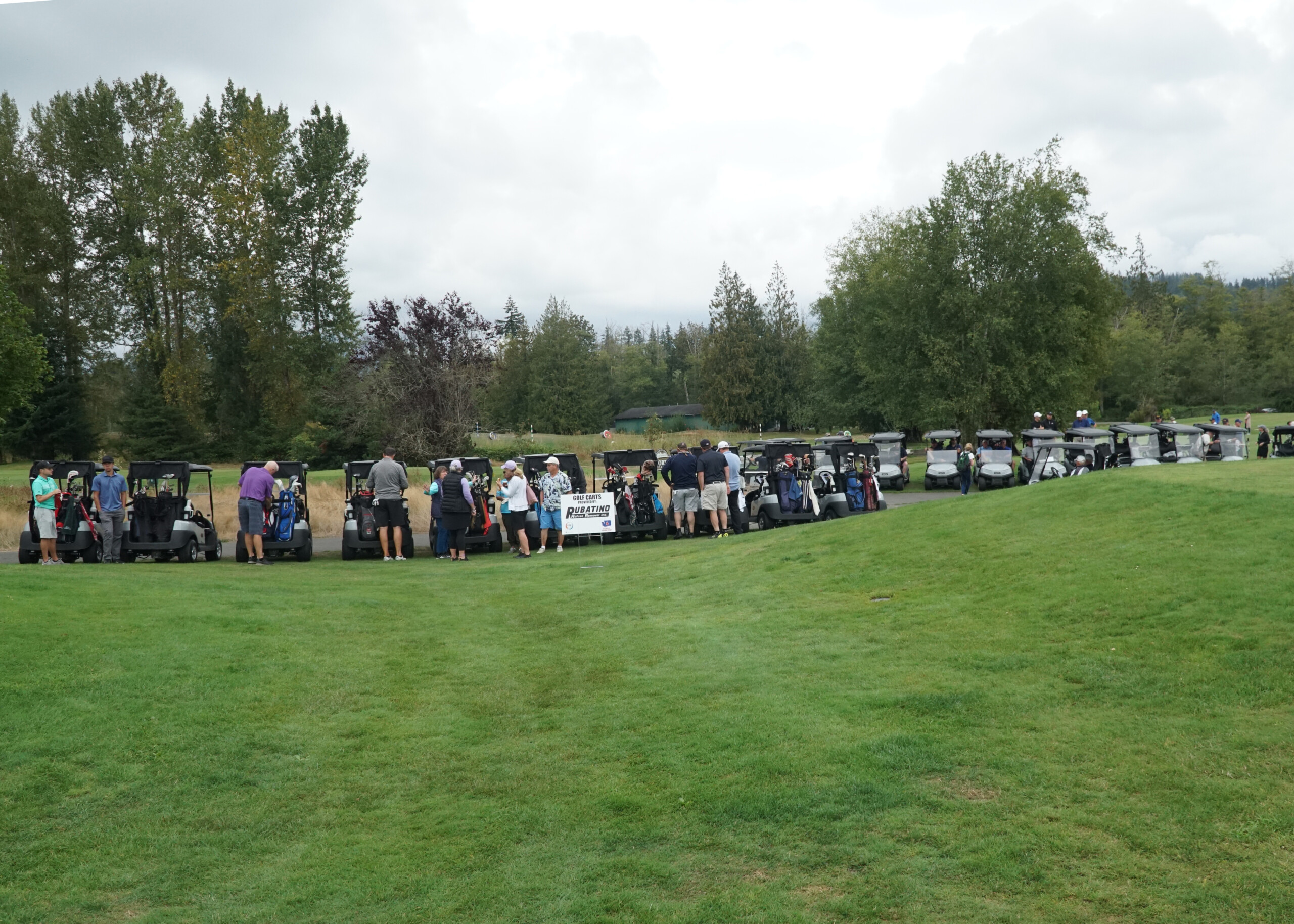
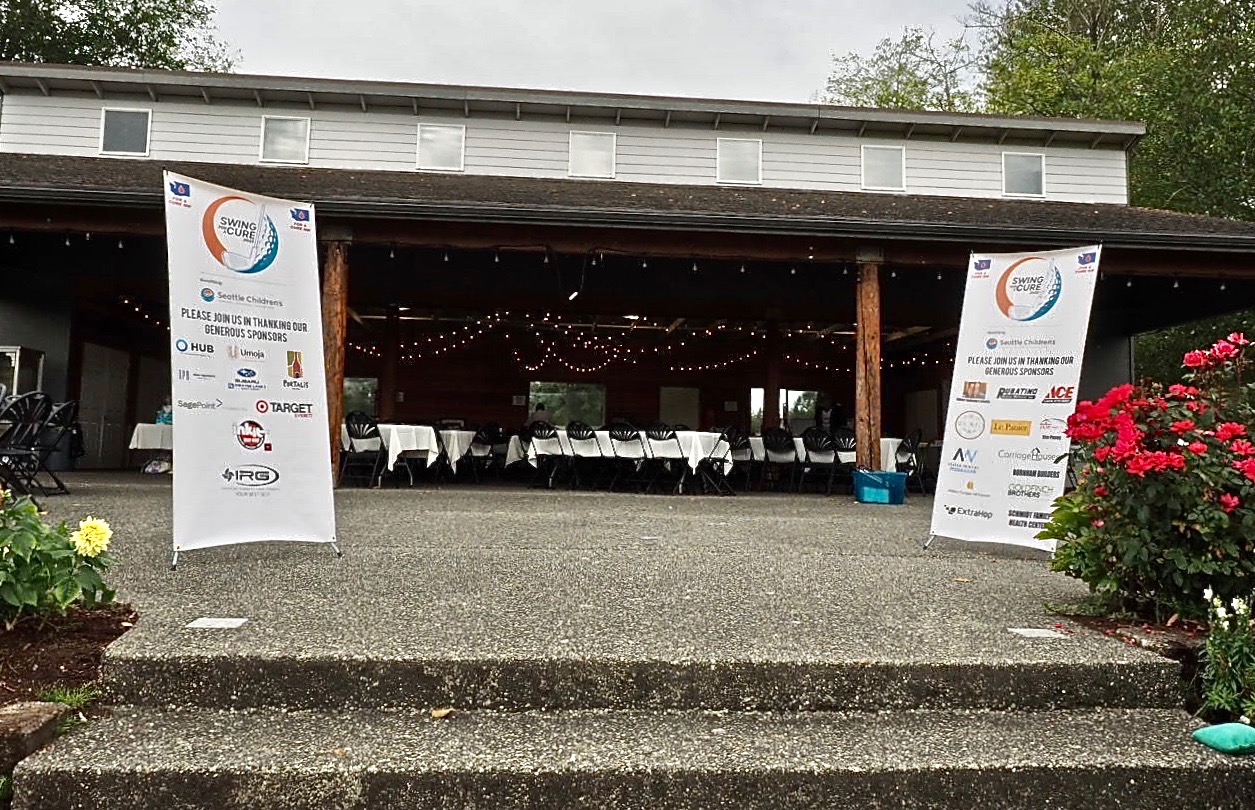
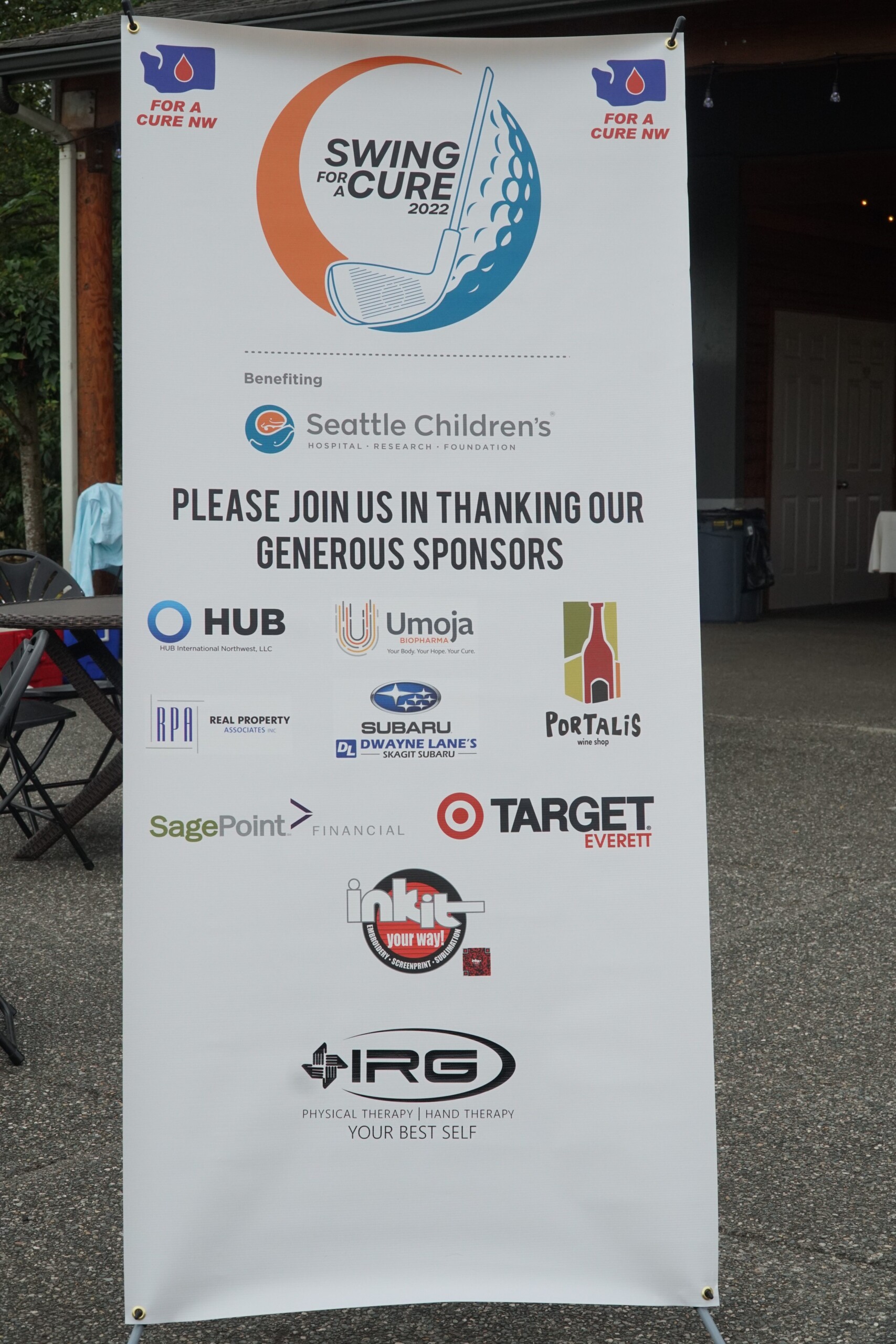
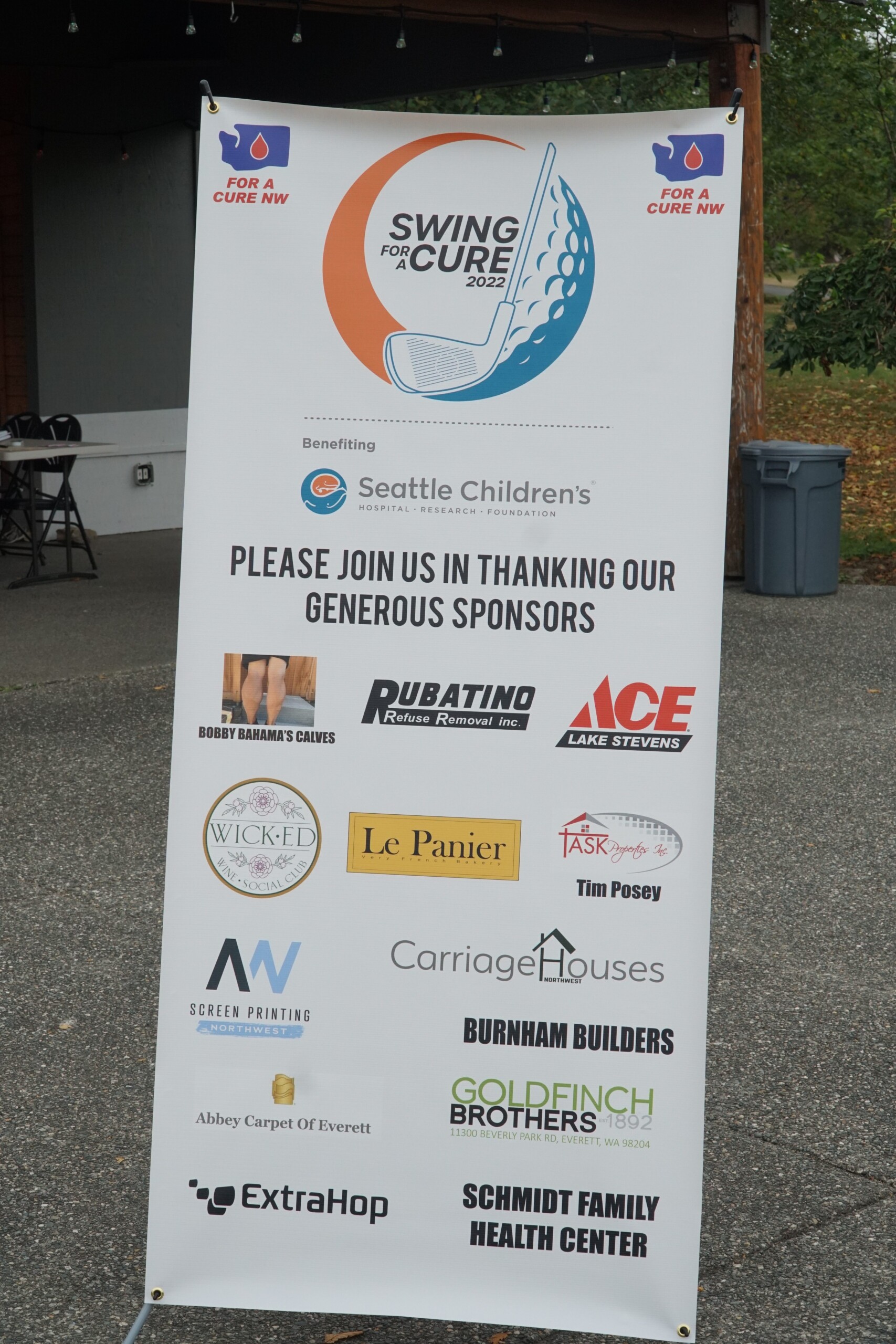
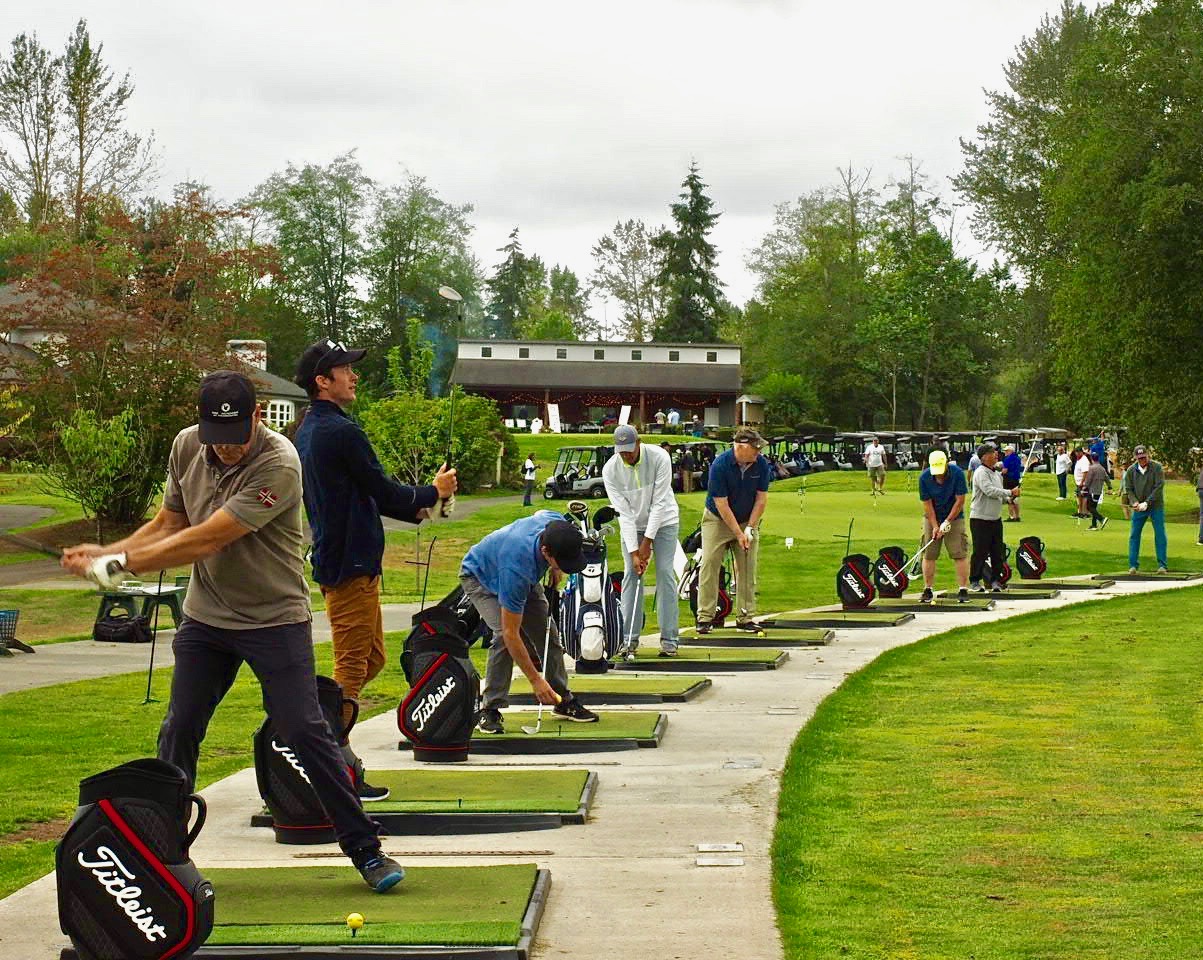
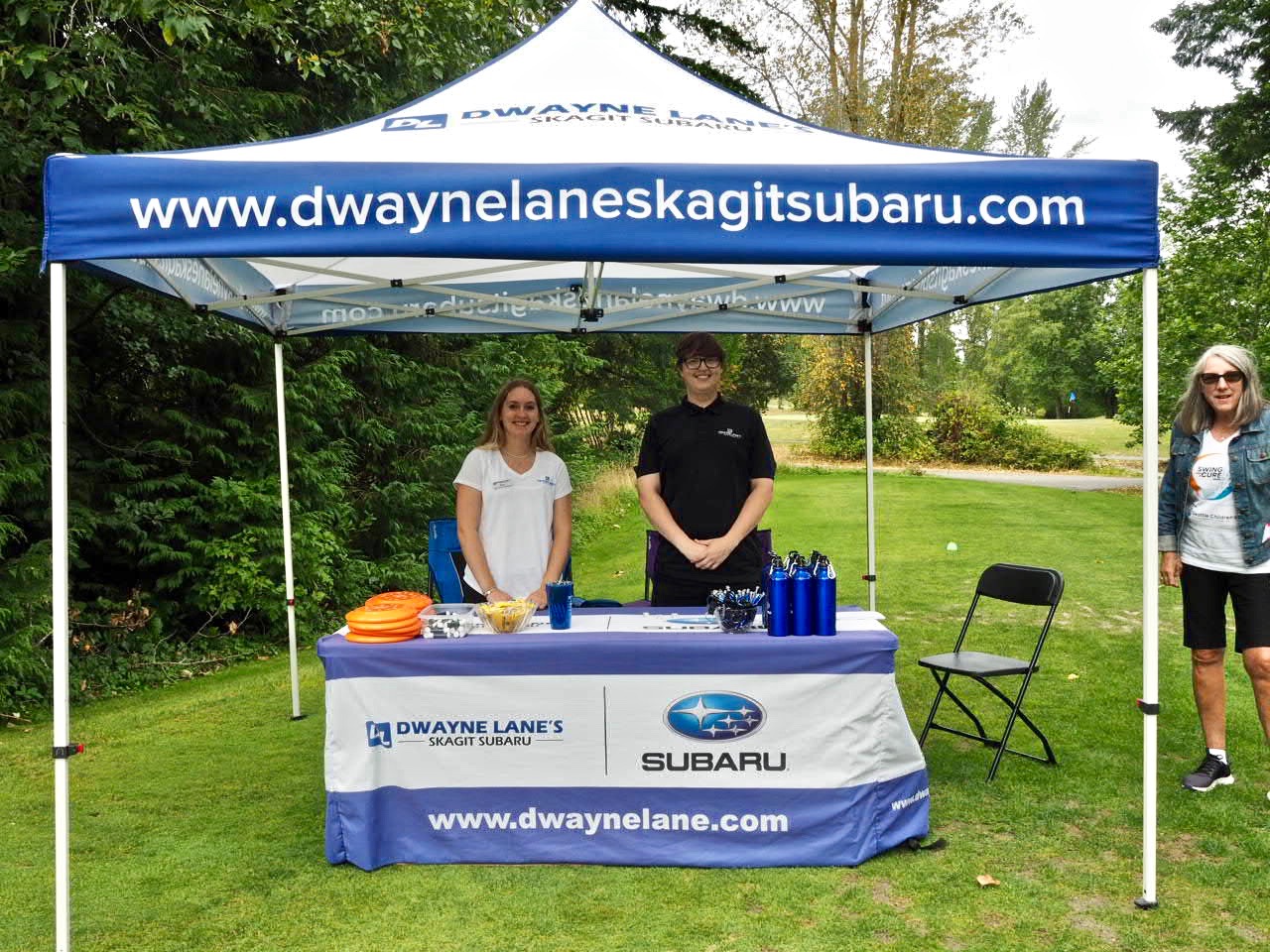
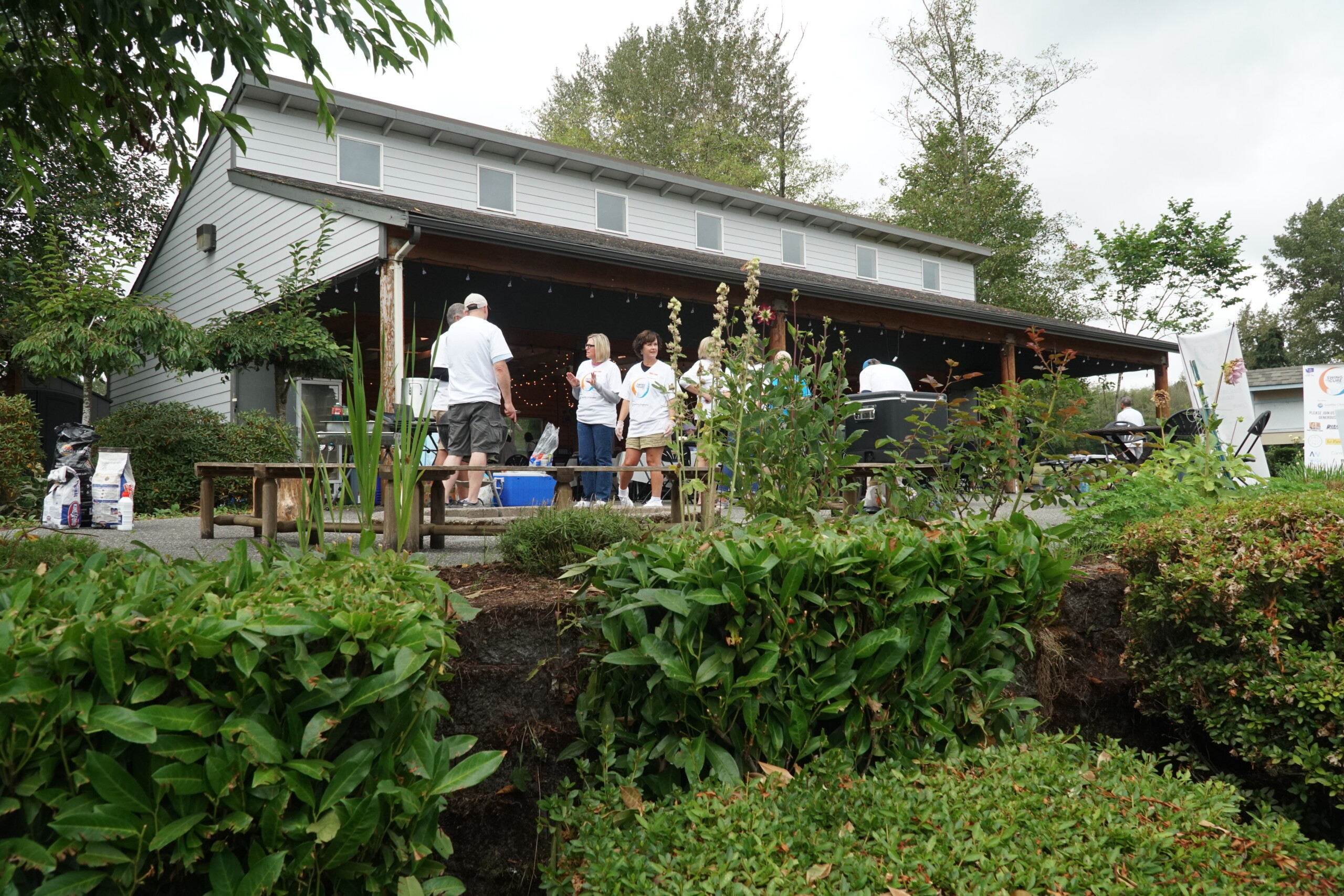
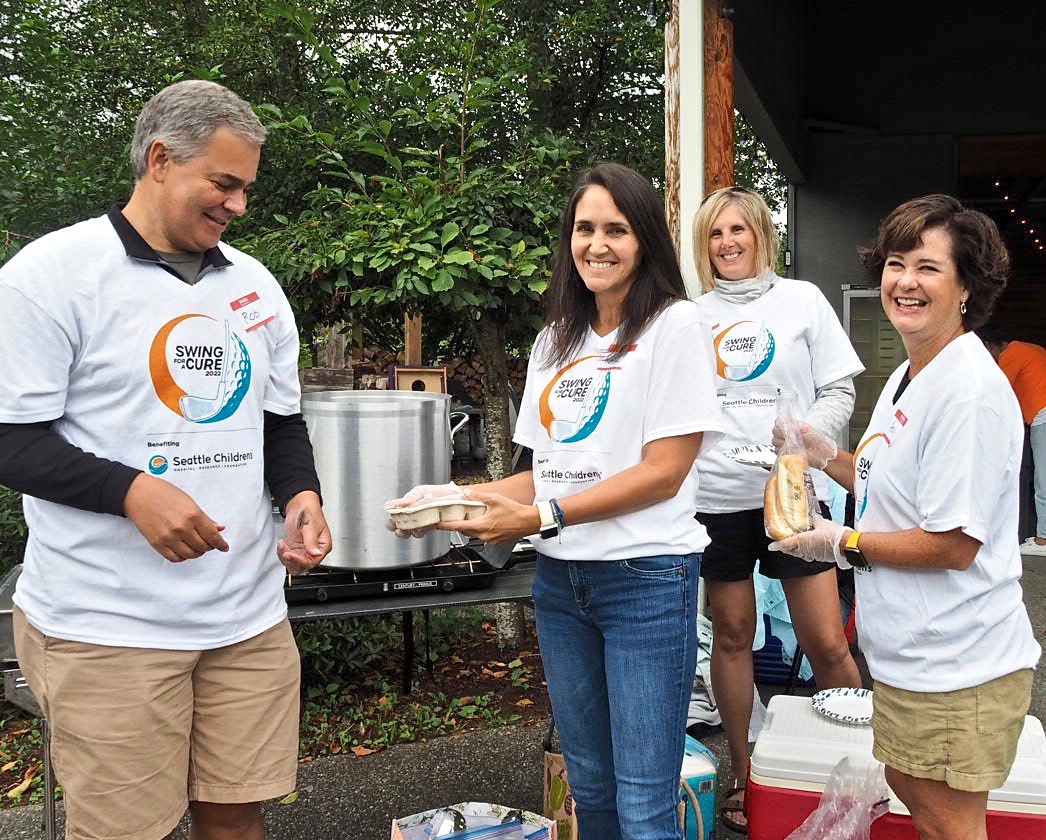
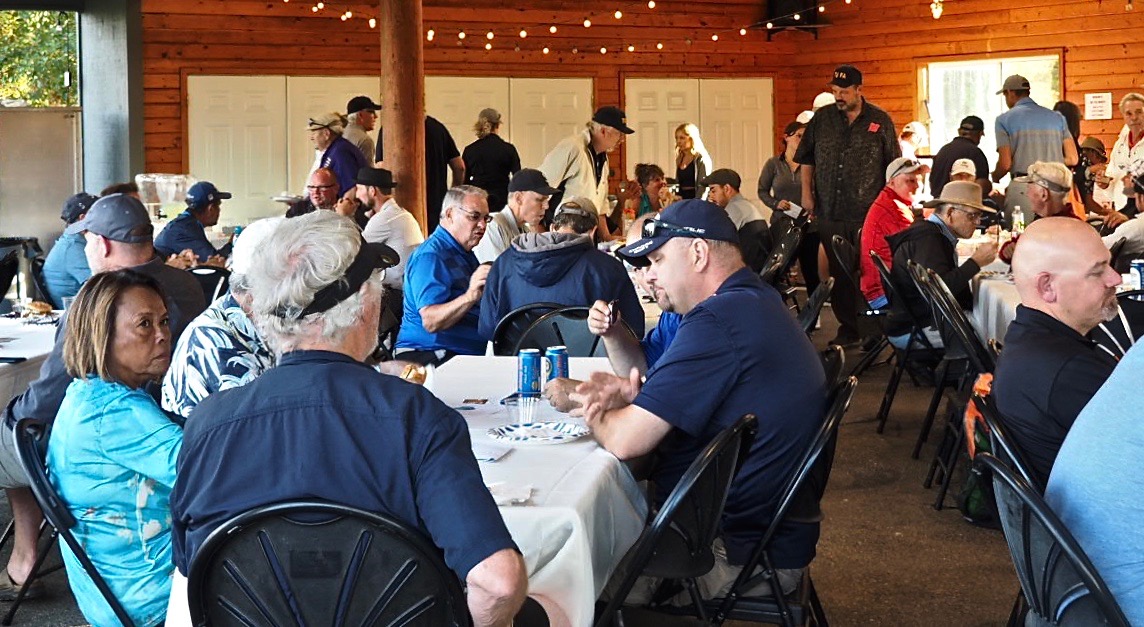
The tournament has many opportunities for local businesses, service clubs, and businesses to “step-up” and make a difference in the lives of children from the NW and around the world!
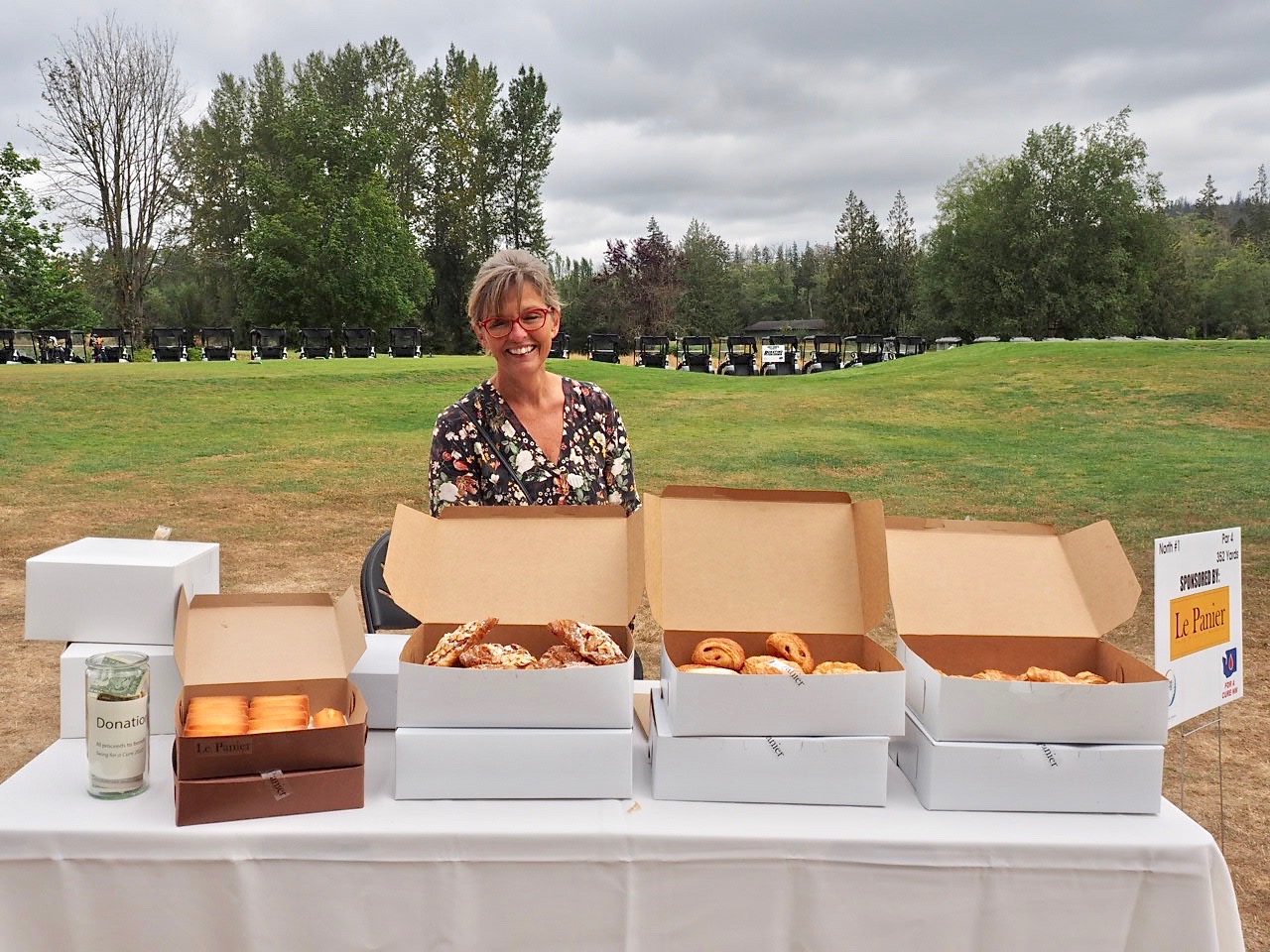
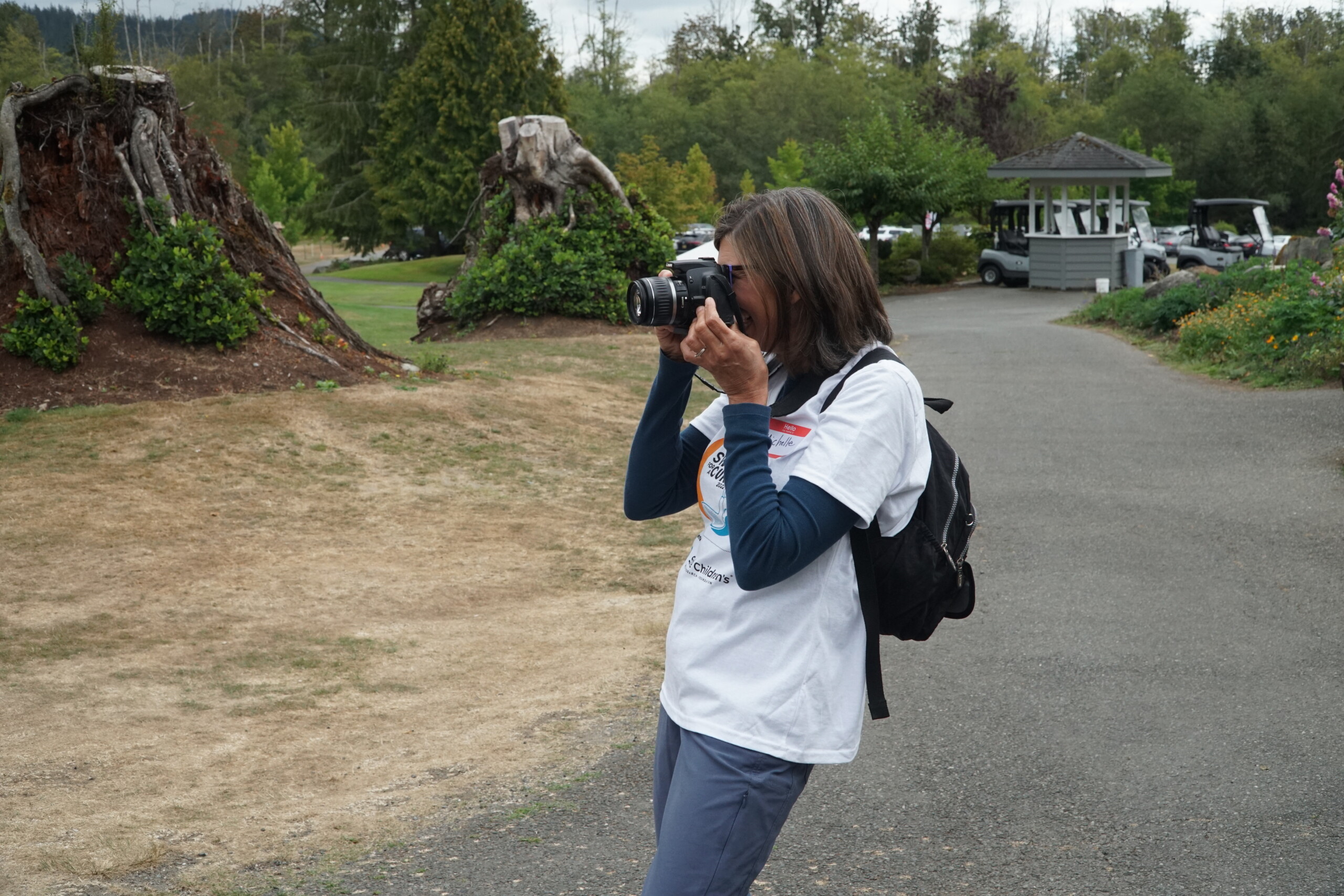
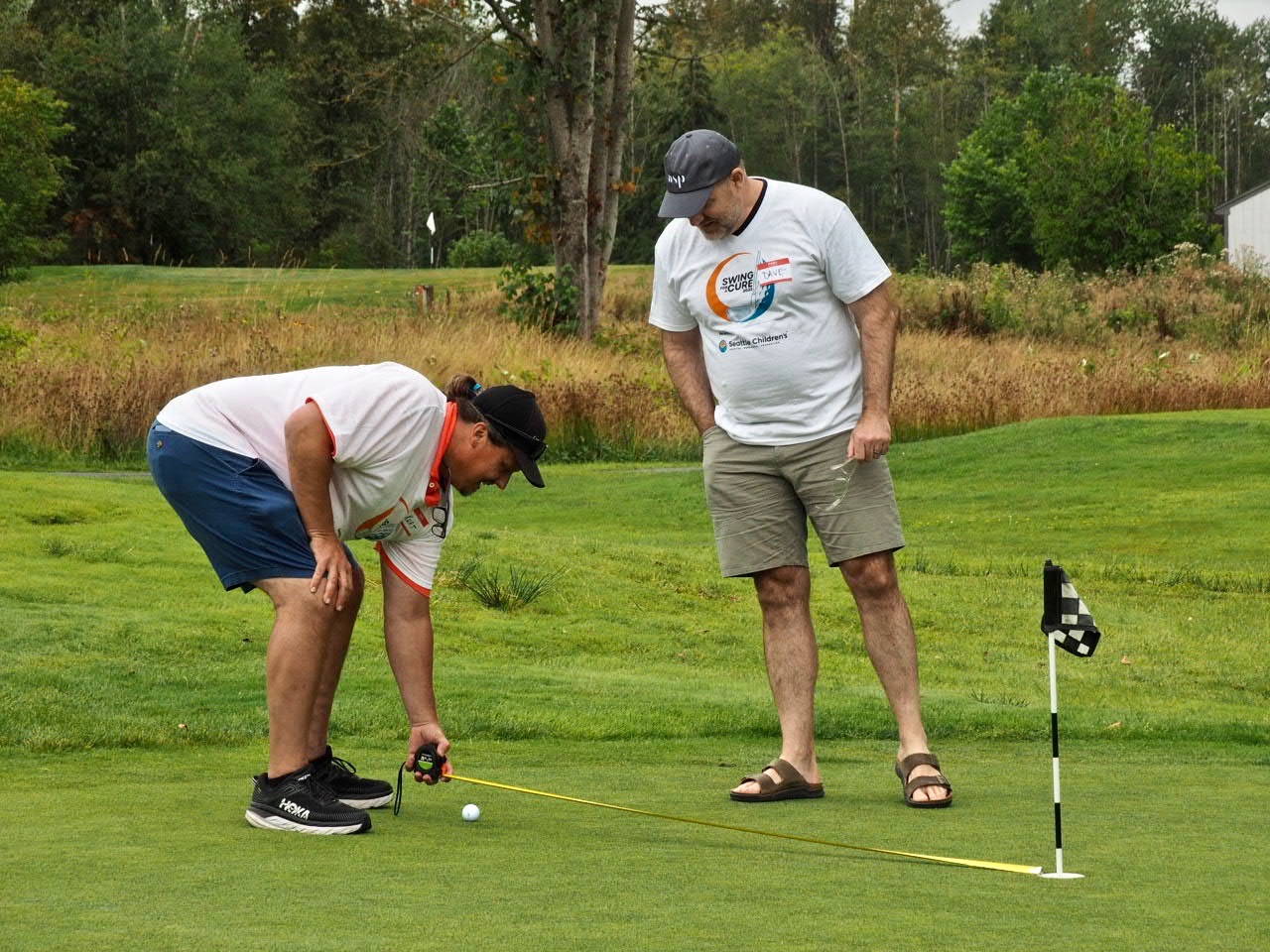
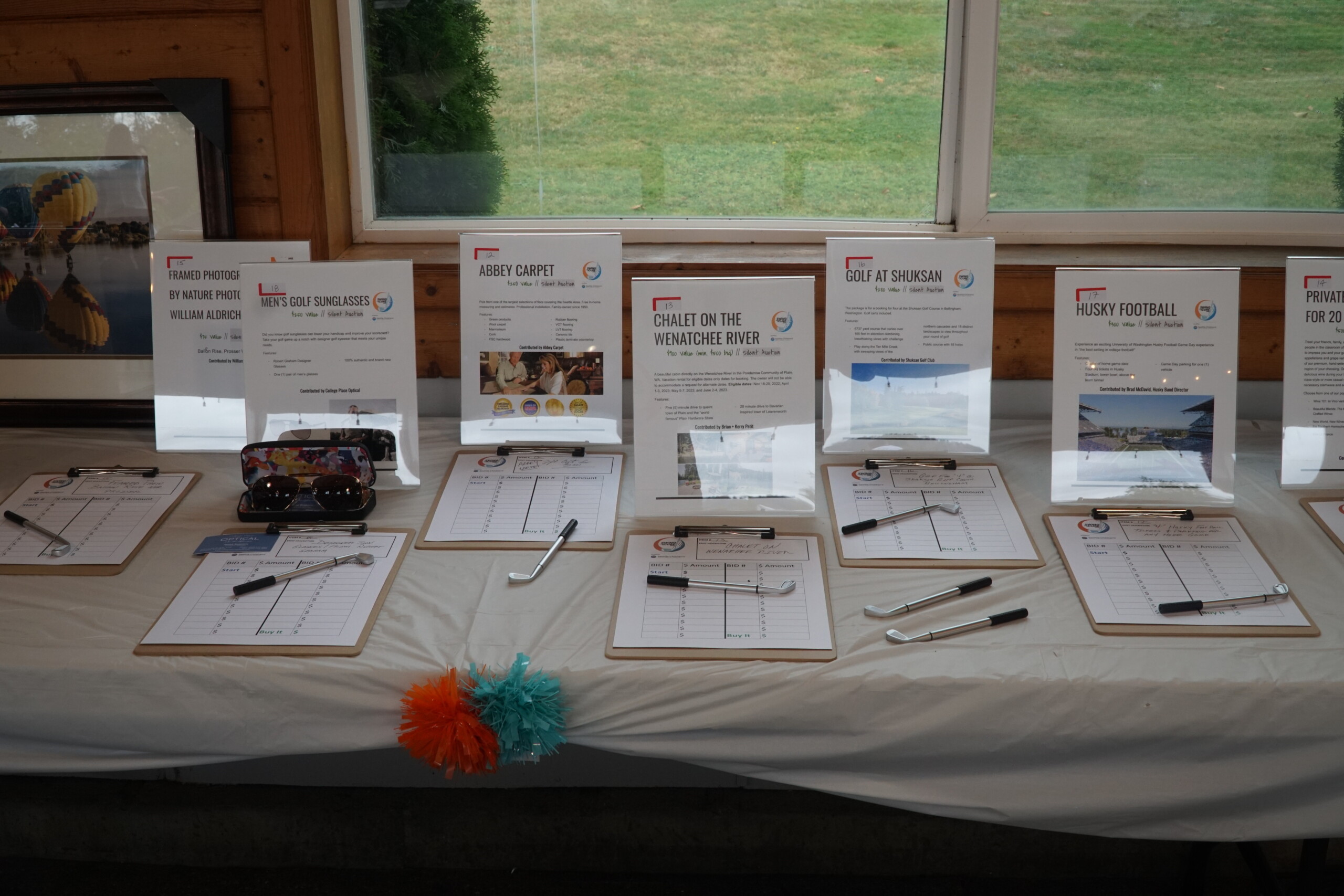
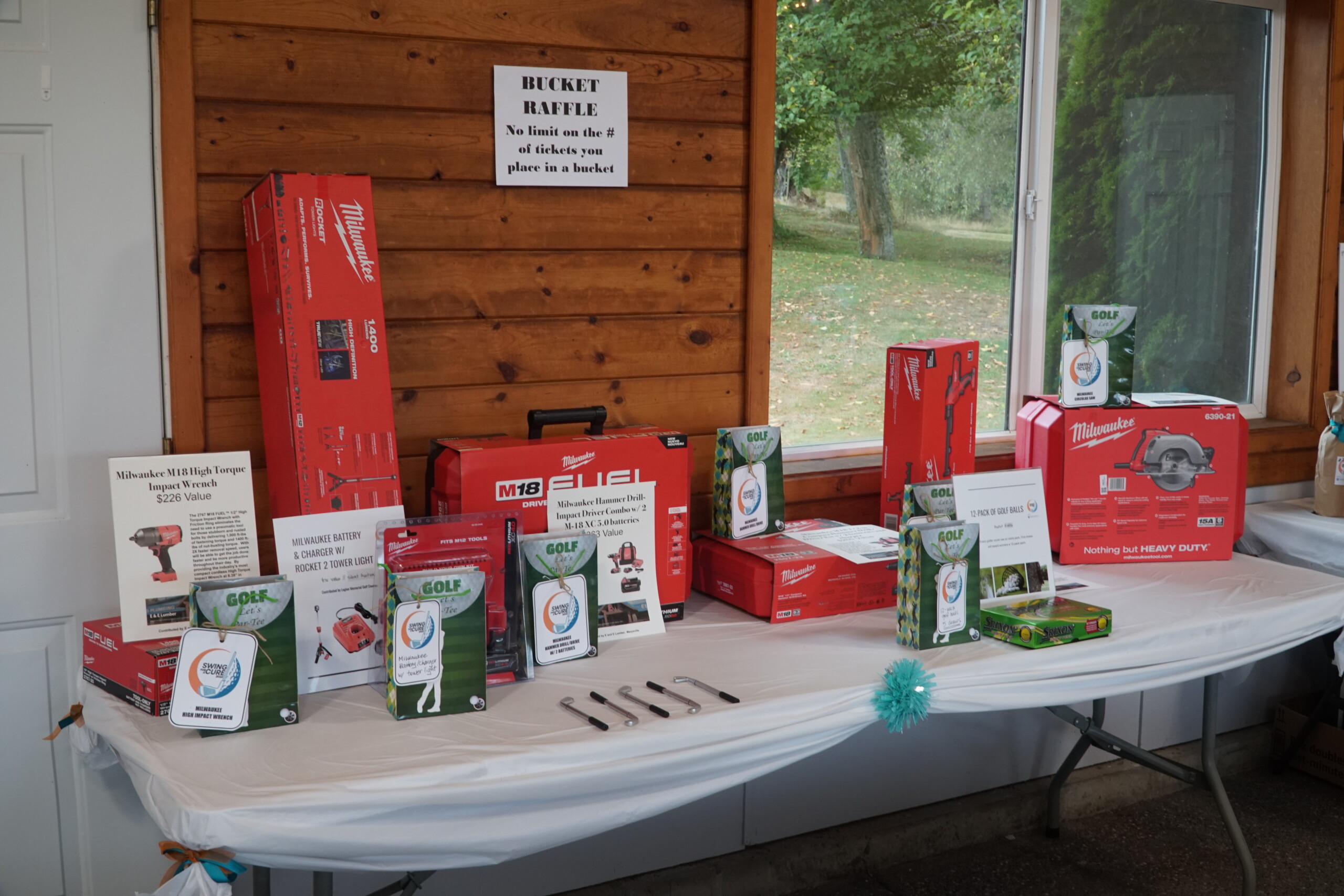
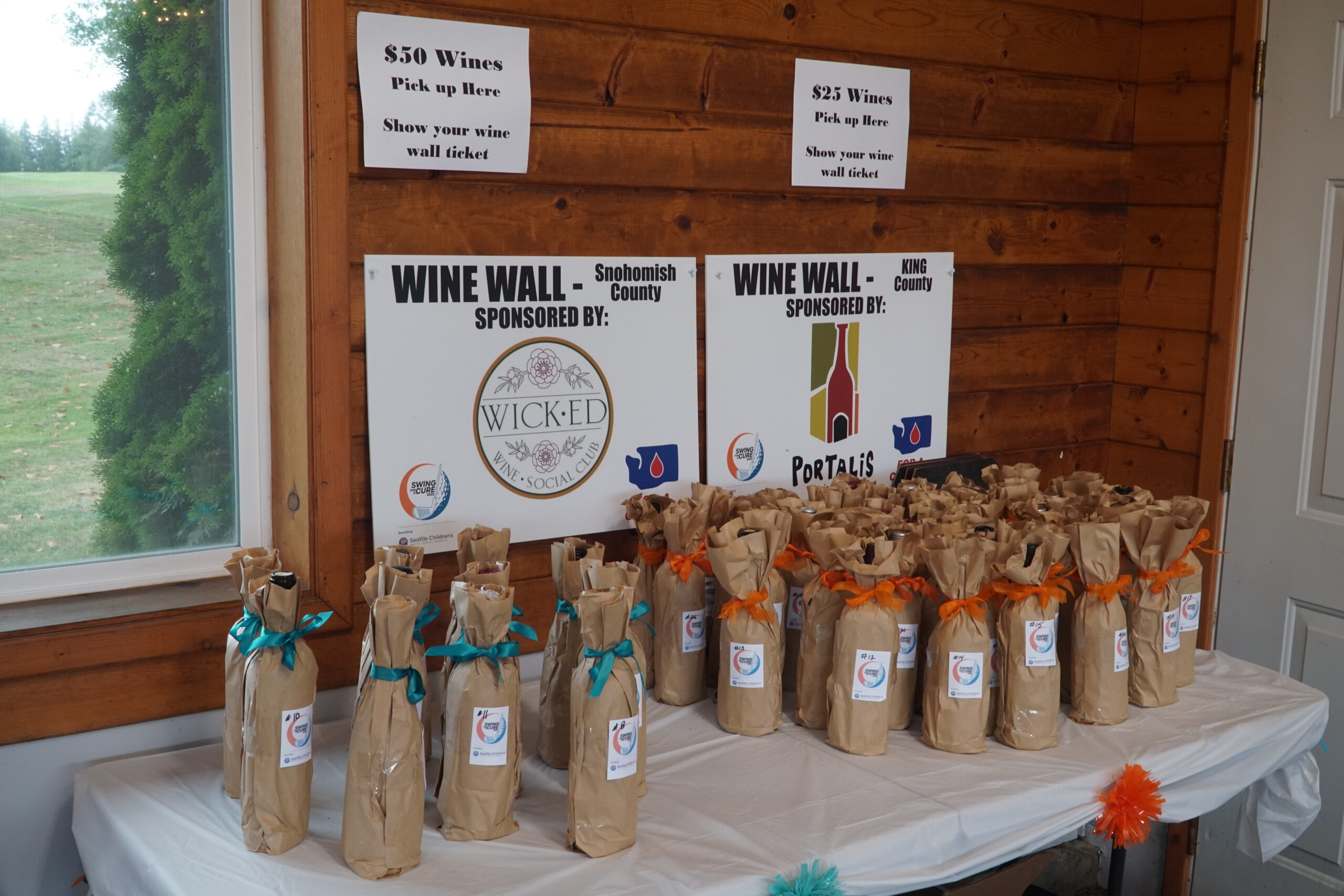
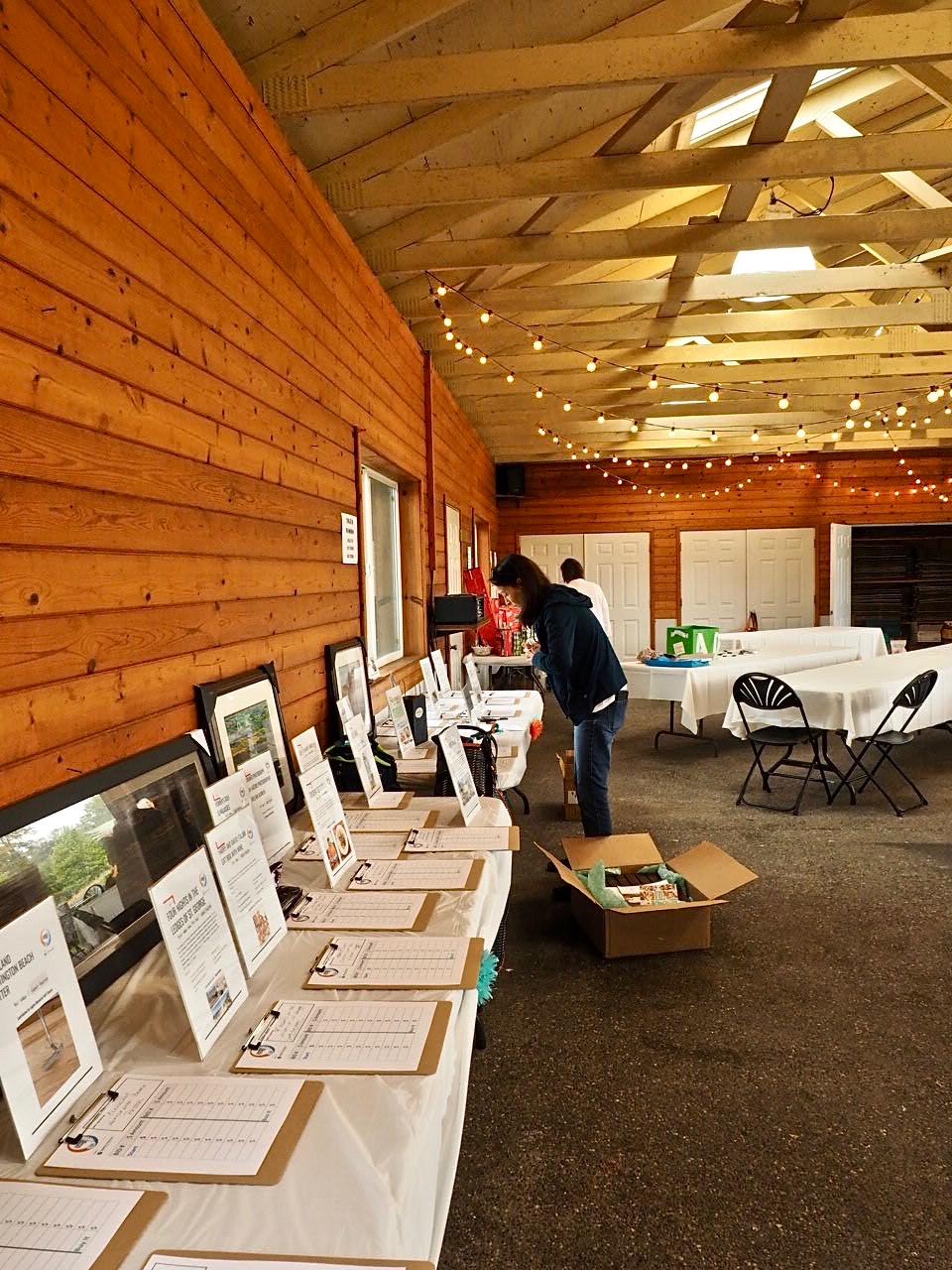
And of course come and play. Participation raffle, silent auction, and raise your paddle to make a difference in the lives of children suffering from this awful disease.
Our vision for this effort is inspired by the stories of families and friends who’ve been touched by the experience of this disease. Through efforts like Swing for a Cure, we can all make a difference; we can give them a fighting chance, and a reason for hope. Please consider a generous contribution.
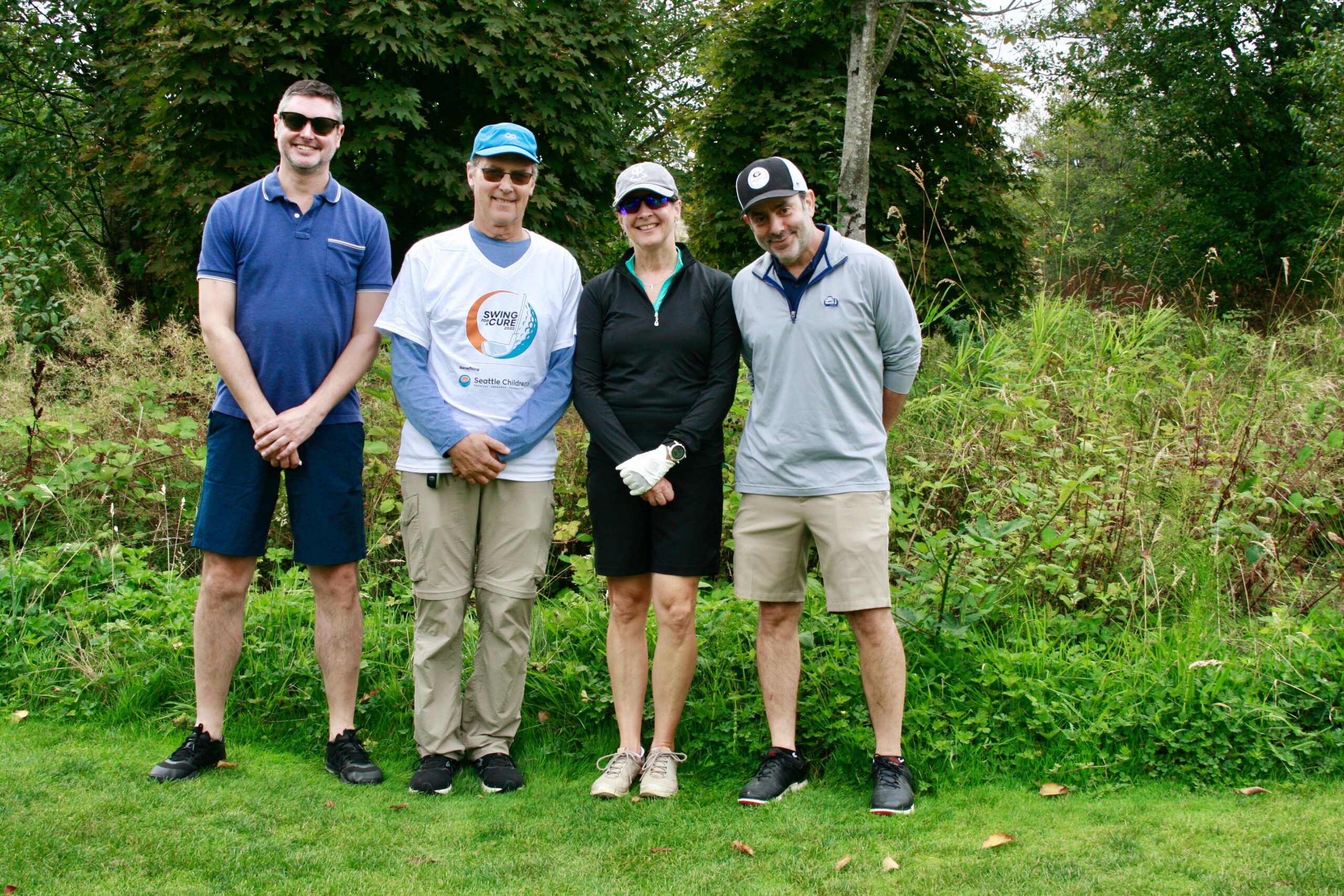
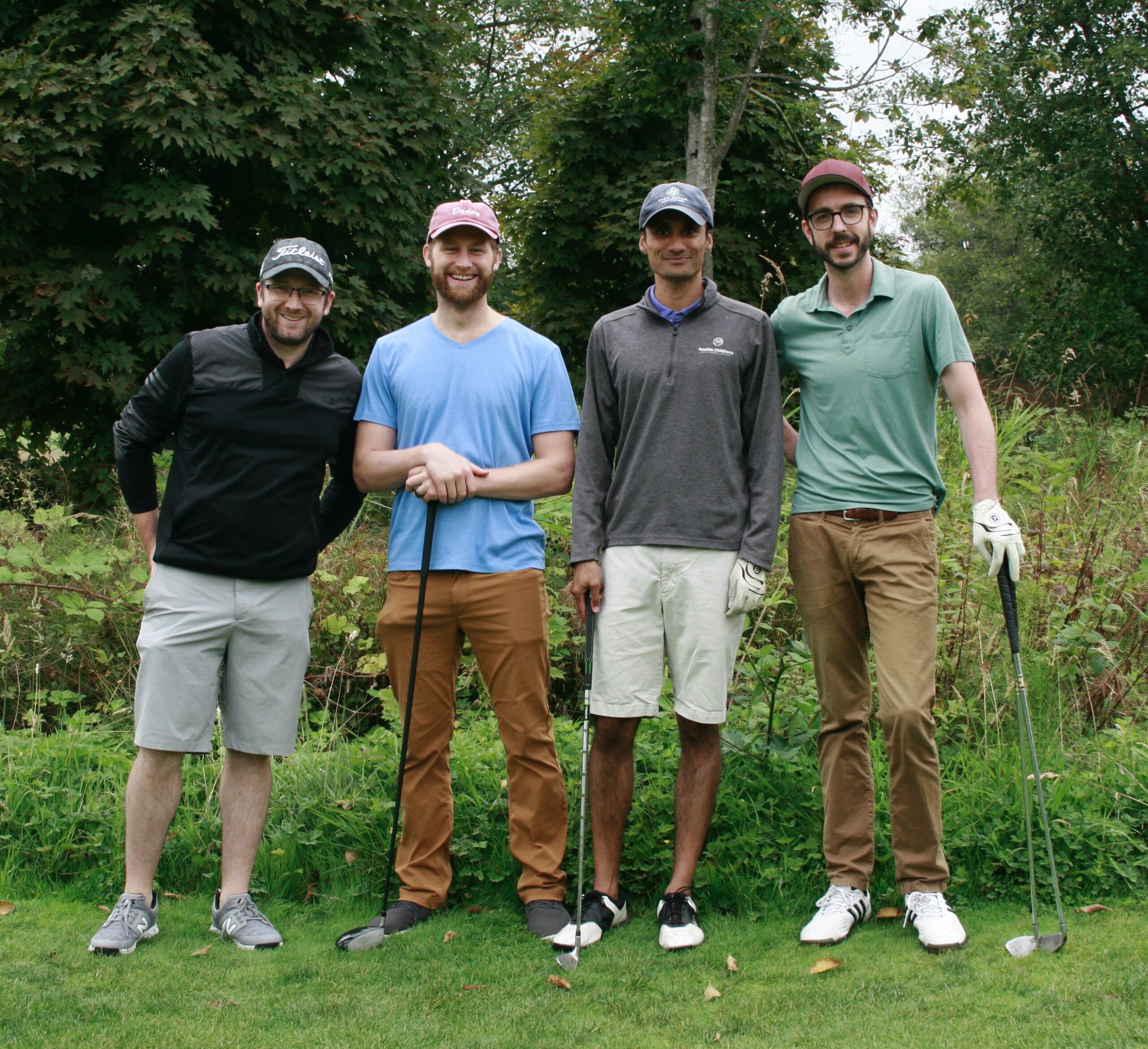
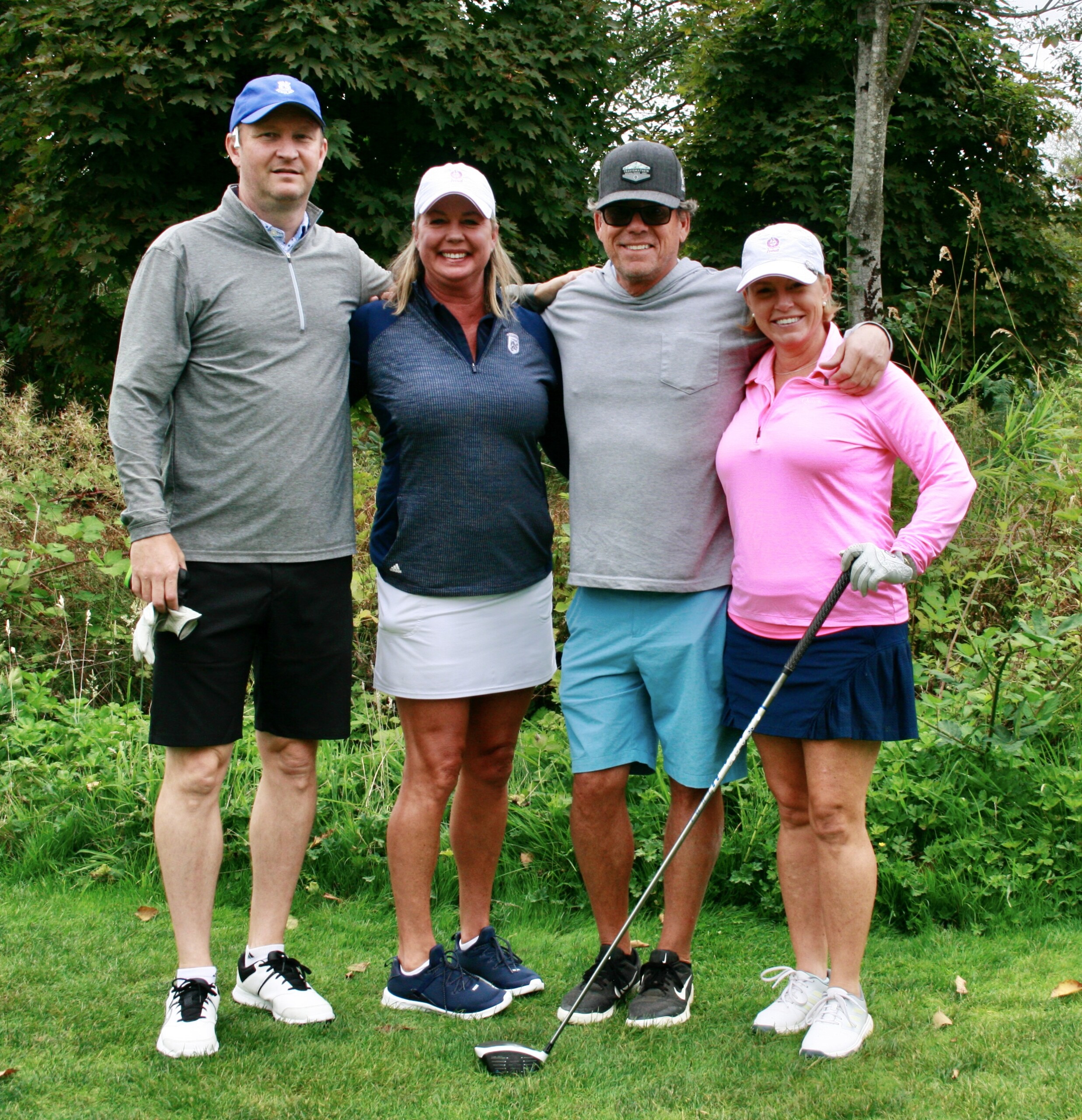
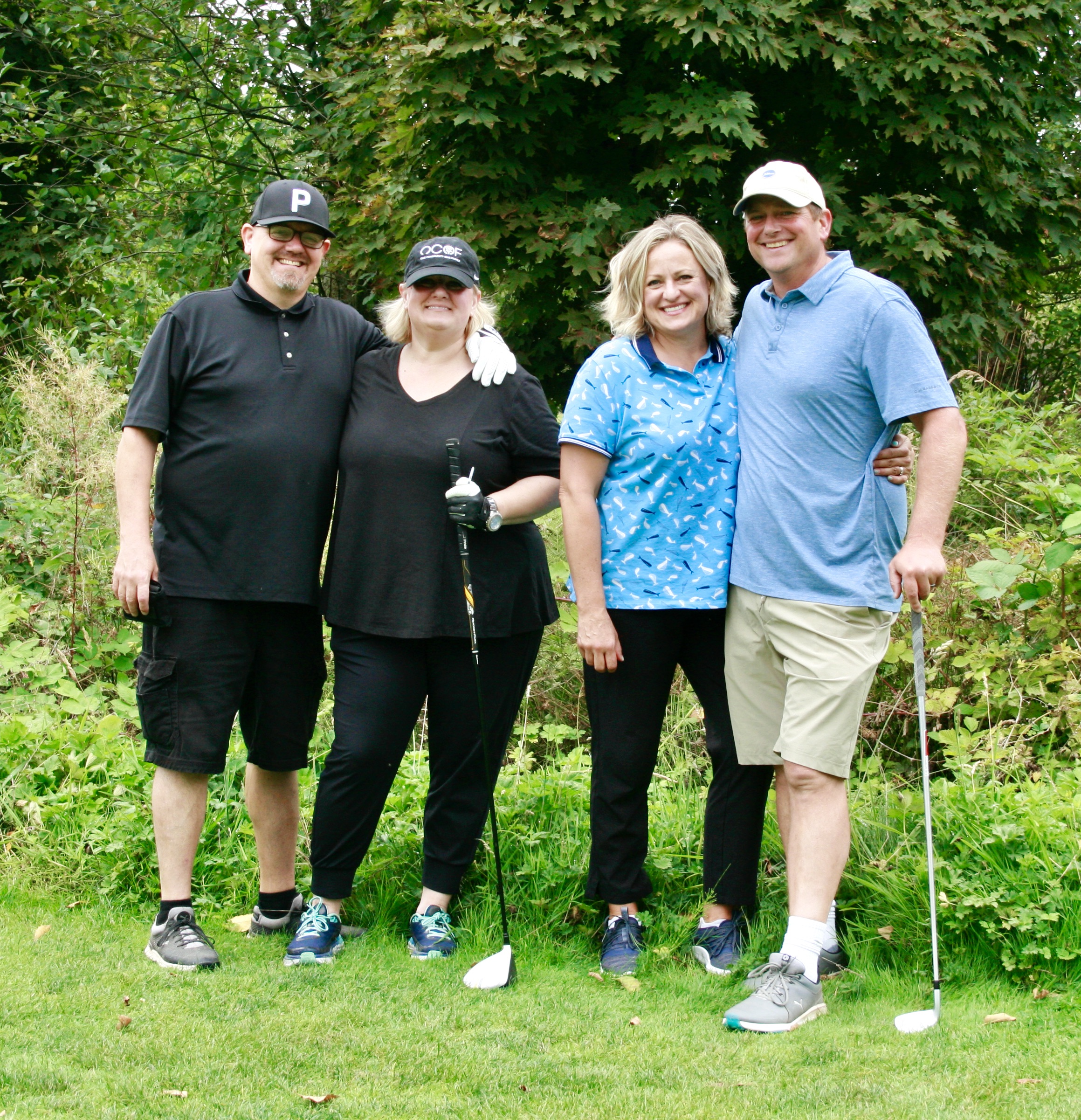
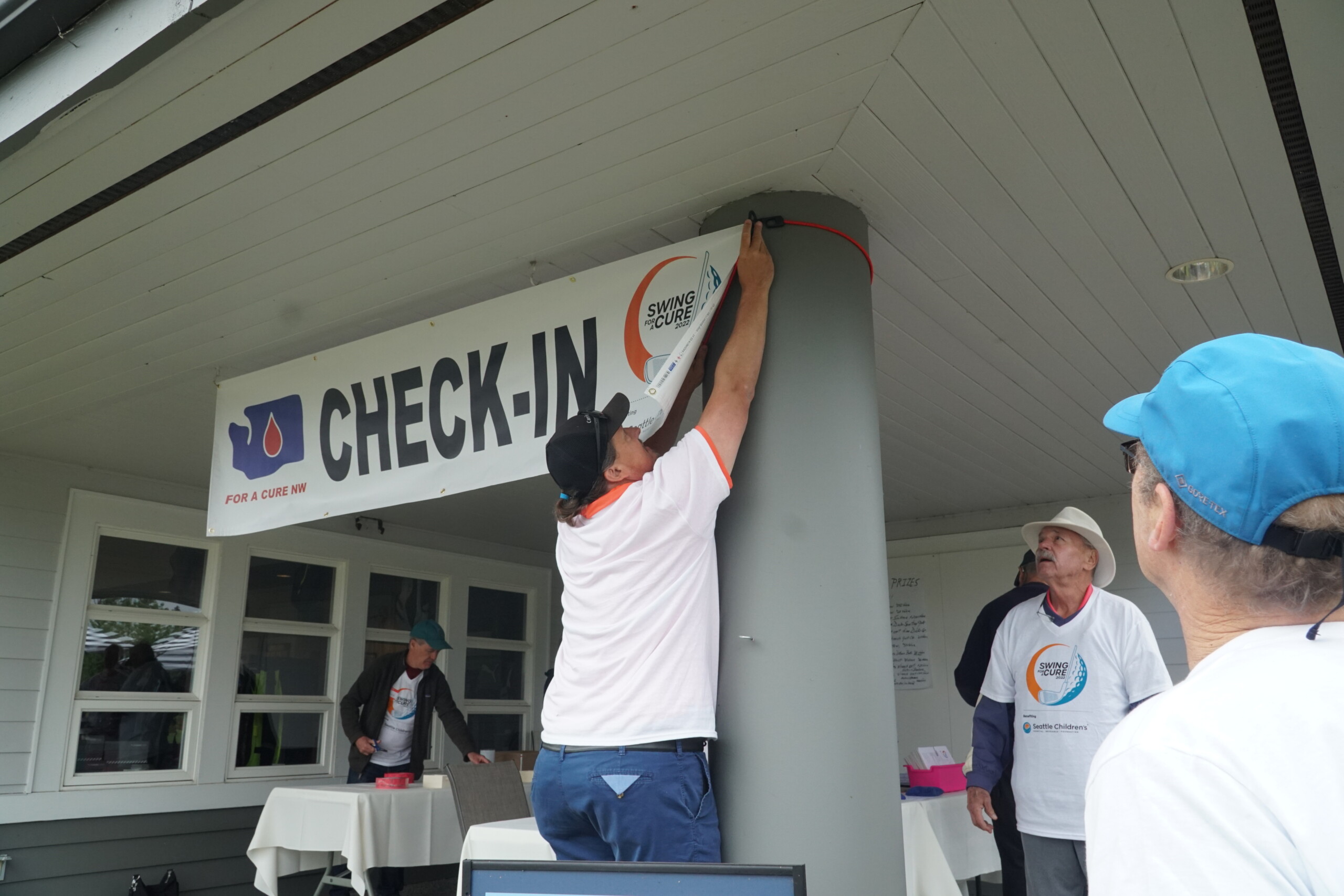
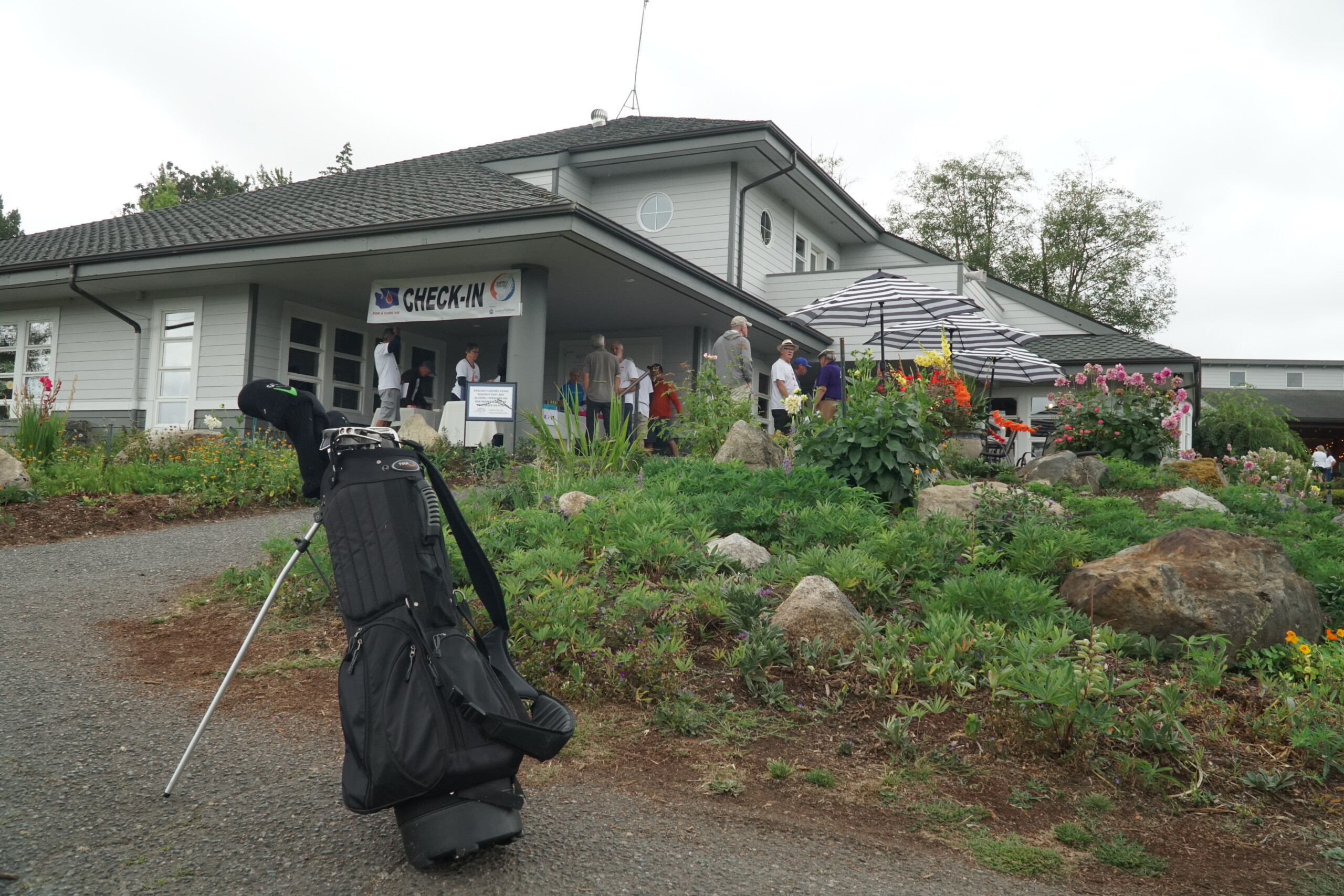
For A Cure NW announced the 2nd Annual Swing for A Cure charitable golf tournament scheduled for August 27 at Avalon Golf Links in Burlington, Washington. FACNW is a newly formed charitable corporation formed for the purpose of raising funds to support the High-Risk Leukemia (HRL) Clinical Trials Program at Children’s Hospital in Seattle, one of the flagship cancer research organizations in the world, and ground zero for state-of-the-art clinical trials and cancer treatment. The program is complex, and enormously expensive — comprehensive clinical trials, world class practitioners, and total case management including support for patients and their families whose lives have been upended by such a devastating diagnosis.
The corporation is the brainchild of Tom Hayes, of Edmonds, a retired elementary school teacher and himself a two-time survivor of leukemia. First diagnosed in 2017, Hayes was treated locally and first went into remission late that year. In 2018, Hayes dedicated his recovery to raising funds for Children’s, and initially raised more than $100,000 through Climb for a Cure, gathering sponsors, donors and participants who joined him in ascending Sauk Mountain. Tom relapsed and is presently recovering from the rigors of stem cell transplantation, rebuilding his immune system from scratch, and driving his fundraising efforts remotely.
In the summer of 2021, Tom was joined by several fellow educators in brainstorming a golf tournament to raise more money for the HRL, one of whom was Don Barbacovi, retired former Principal at Everett High School, who lost his eight-year-old granddaughter to cancer in 2020 after a five-year struggle. After only three months of intensive planning and preparation, Swing for a Cure staged a fundraising tourney in October at Legion Memorial in Everett. The event drew local sponsors and donors and volunteers, and a field of almost 50 golfers, and proved to be a rousing success, joined by Dr. Todd Cooper, the head of HRL, and Erika Kreger, Director of Development for Seattle Children’s Foundation.
With the success of Swing for a Cure as proof of concept, the group was inspired to form a charitable corporation under IRS 501c.3, and to raise its sights to host bigger events, attracting hikers, climbers, bikers, among other enthusiasts. Today, FOR A CURE NW is inviting sponsors and donors and volunteers to participate in planning for the August golf tournament and is now open for registration to golfers.
Please direct inquiries to Gary McDonald or call 425-397-2086.